Economy
GST collections rise 14.7% to ₹2.04 lakh crore in September, import tax jumps 25.9%
GST collections rose 14.7% to Rs 2.04 lakh crore in September 2026 — import tax jumped 25.9%.
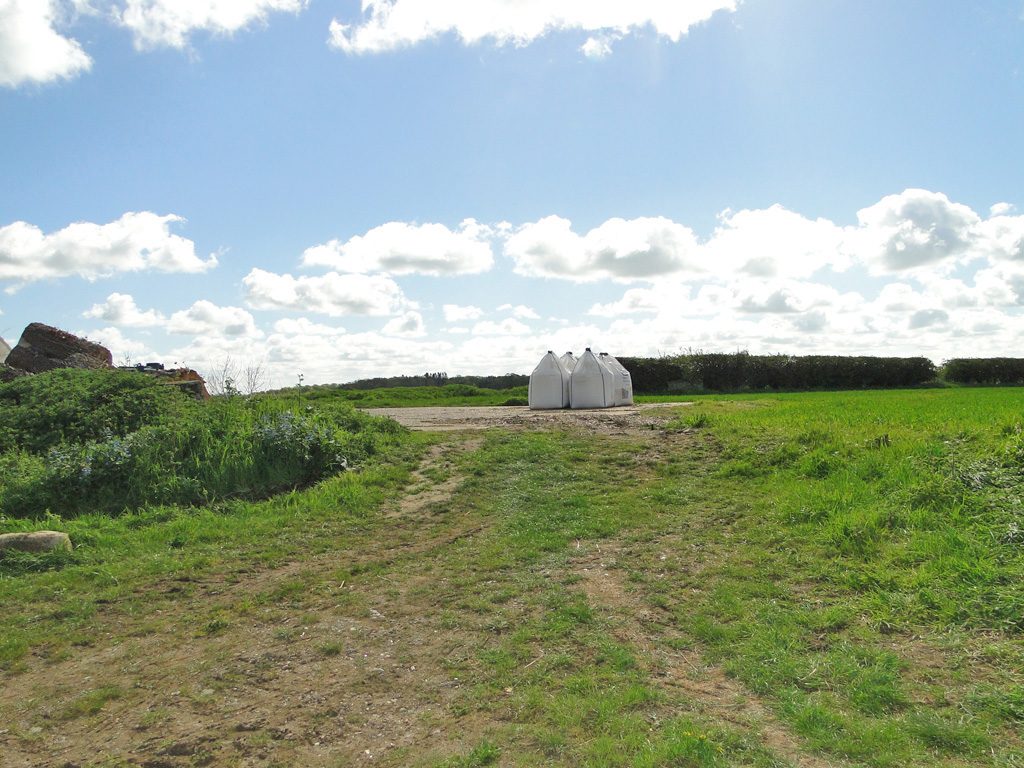
The approved rates apply to phosphatic and potassic fertilisers under the Nutrient Based Subsidy (NBS) scheme — covering 28 grades of fertiliser, including DAP and NPKS grades. The scheme has been in place since April 1, 2010. Under the new rates, the subsidy on nitrogen has nearly doubled, from Rs 47.32 per kg in Kharif 2026 to Rs 94.21 per kg. The sulphur subsidy has risen from Rs 3.16 to Rs 10.42 per kg and phosphorus from Rs 52.76 to Rs 66.11 per kg; potash stays at Rs 2.38 per kg. Note that the subsidy is paid to fertiliser companies and importers, not directly to farmers — farmers benefit through fertiliser sold at subsidised prices.
The Cabinet decision is expected to keep P&K fertilisers, including DAP, available through the Rabi season. The retail price of DAP stays at Rs 1,350 per bag even as its international price has risen. Fertiliser stocks in the country are also comfortable — total stocks stood at 235.21 lakh tonnes as of November 10, 2026, well above the 173.46 lakh tonnes on the same date last year. The Cabinet also approved a sulphur package for domestic manufacturers, which is expected to help raise domestic production of sulphur-based fertilisers.
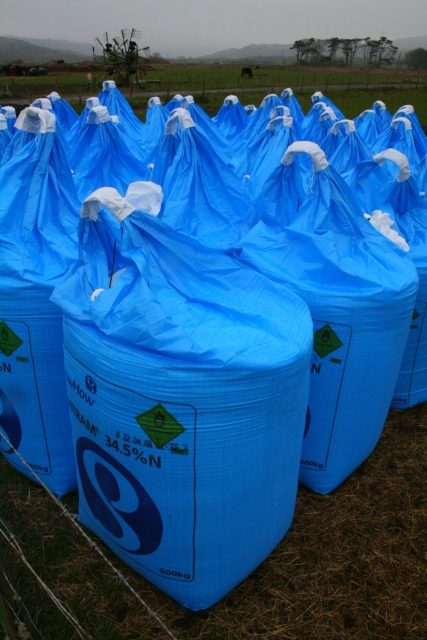
According to the government, the rates had to be reset because of the sharp rise in international prices of fertilisers and inputs such as urea, DAP, MOP and sulphur — driven by the West Asia crisis and the Russia-Ukraine war. Rs 41,533.81 crore in subsidy was already approved for Kharif 2026; adding the Rabi amount, total P&K subsidy spending in FY27 will cross Rs 1 lakh crore, against a budget allocation of just Rs 54,000 crore. The total fertiliser subsidy budget for FY27 is Rs 1.71 lakh crore (including Rs 1.17 lakh crore for urea) — and the overall outgo may cross Rs 3 lakh crore. Spending on fertiliser subsidy in the six months to September had already crossed 70% of the FY27 budget estimate.
Meanwhile, the stock market opened quietly on Thursday after Wednesday's strong rally. On Wednesday, November 11, the Sensex rose 772.75 points (0.95%) to close at 81,879.40 and the Nifty gained 210.40 points (0.84%) to 25,255.05 — both near nine-month highs. Foreign institutional investors (FIIs) were net buyers of Rs 12,563.33 crore that day, while domestic institutional investors (DIIs) net sold Rs 8,434.53 crore. On Thursday morning, GIFT Nifty hovered around 25,238.50; the Sensex opened at 81,762.27 and was at 81,836.45 at 9:16 am, with the Nifty at 25,231.60. Investors will now watch the October retail inflation (CPI) data, due after market hours today — the print will be key to expectations around the RBI's future interest-rate path. Moody's had on Wednesday raised India's FY27 growth forecast to 7% from 6.5%.
GST collections rose 14.7% to Rs 2.04 lakh crore in September 2026 — import tax jumped 25.9%.
Wholesale inflation reached 11.39% in September — fuel and food prices drove the pressure.

The GST Council scrapped arrest powers and raised the prosecution threshold from Rs 1 crore to Rs 5 crore.