Economy
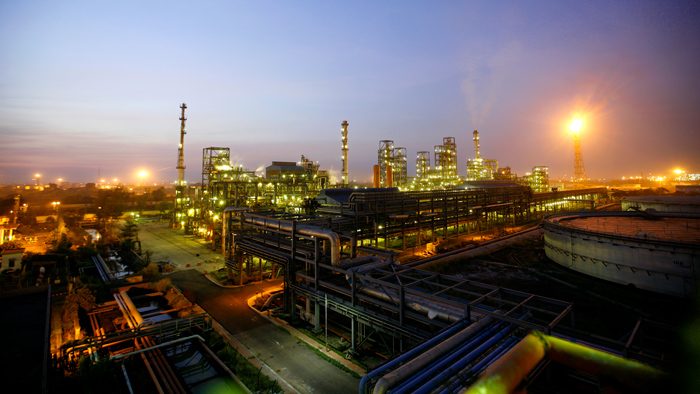
IOC, BPCL, HPCL post ₹30,106 crore combined Q2 profit — a sharp refining-margin rebound
India's three state-run fuel retailers earned a combined ₹30,106 crore net profit in the July-September quarter, up 68.3% year-on-year. IOC posted a r

There are two kinds of government bonuses in India. The Productivity Linked Bonus (PLB) goes to departments where output can be measured — Railways, Posts, EPFO and defence production. The ad-hoc bonus (non-PLB) goes to the rest of the central government's Group C and non-gazetted Group B employees — 30 days each year. Most central government employees fall under the ad-hoc bonus.
The ad-hoc bonus is not calculated on your actual salary but on a fixed ceiling of ₹7,000 a month — a figure unchanged since the 2014-15 accounting year. The formula is: ₹7,000 ÷ 30.4 × number of days. On that basis, the 30-day bonus tops out at ₹6,908; those whose average monthly pay is lower receive less. The railway PLB of 78 days works out to about ₹17,951 at the same ceiling. The bonus is not credited automatically — the government issues an order each year around Dussehra, and payment follows the institution's schedule.
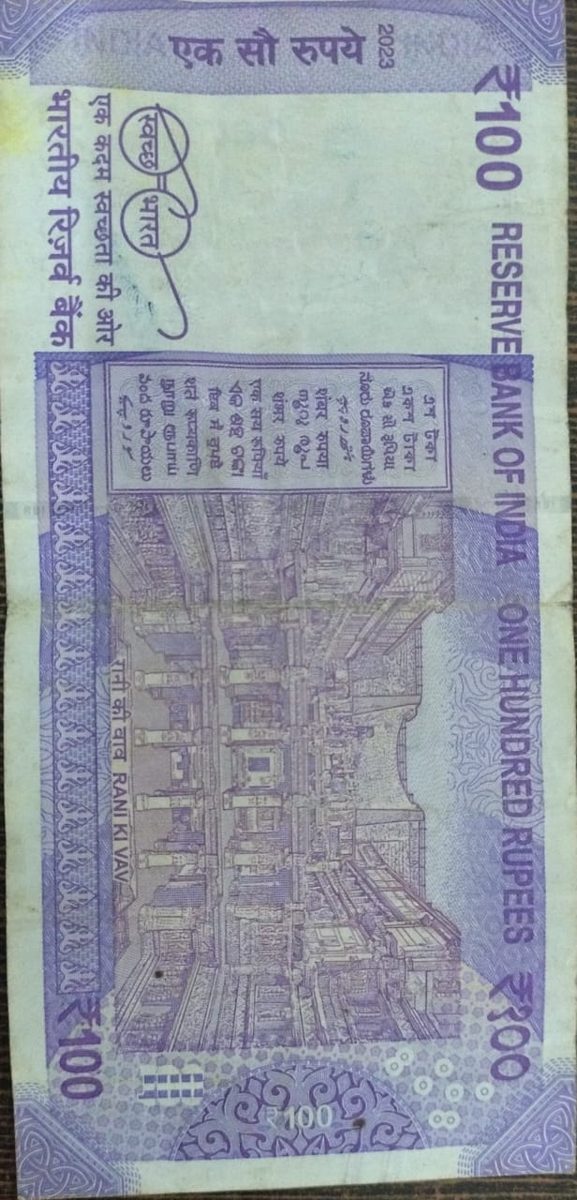
In the private sector too, bonus is a legal right, not a favour. Under the Payment of Bonus Act, 1965 (now subsumed into the Code on Wages, 2019), eligible employees must receive at least 8.33% of annual wages as bonus — even in a year the company makes a loss — and up to 20% when profits allow. Eligibility: employees earning up to ₹21,000 a month (basic + DA) who have worked at least 30 days in the year. The calculation uses ₹7,000 a month or the applicable minimum wage, whichever is higher. Bonus must be paid within 8 months of the end of the accounting year.
A Diwali bonus is a one-time annual payout — it is not regular income like a monthly salary. Financial literature describes three basic concepts that often come up with such lump sums. First — spending: festivals raise spending on gifts, sweets and travel, and festive-season expenses financed from one-time income can show up in the monthly budget later. Second — saving: many households set aside part of the bonus — in a bank account, a mutual fund SIP or towards fixed goals like a child's education — because the regular salary gets absorbed by daily expenses. Third — the emergency fund: money kept aside for unexpected costs such as a hospital bill, a break in employment or home repairs; it is generally described as being equal to a few months of household expenses. This article makes no recommendation — it only notes that bonus money deserves a calm, salary-like accounting rather than a festive-impulse one: how much will be spent, and how much will be kept aside.
India's three state-run fuel retailers earned a combined ₹30,106 crore net profit in the July-September quarter, up 68.3% year-on-year. IOC posted a r
Government data released October 14, 2026 shows WPI-based wholesale inflation at 11.39% in September 2026, up from 9.92% in August. Fuel and power inf

Gross GST collections rose 14.7% to ₹2.04 lakh crore in September 2026. Net GST stood at ₹1.77 lakh crore, domestic collections at ₹1.38 lakh crore an