Diwali Muhurat Trading 2026: special session on November 8, 2:20 PM to 3:30 PM — full schedule and significance
October 25, 2026 • 3 min read • NiveshKhabar Desk
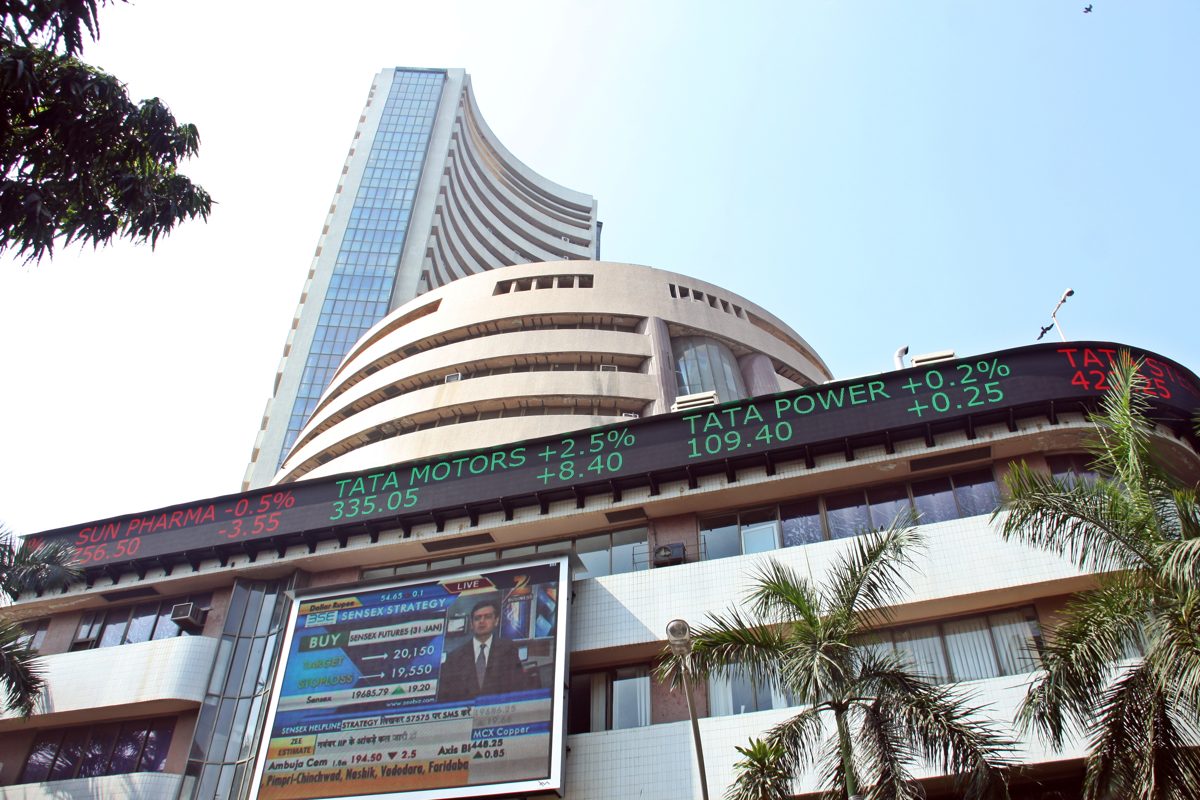
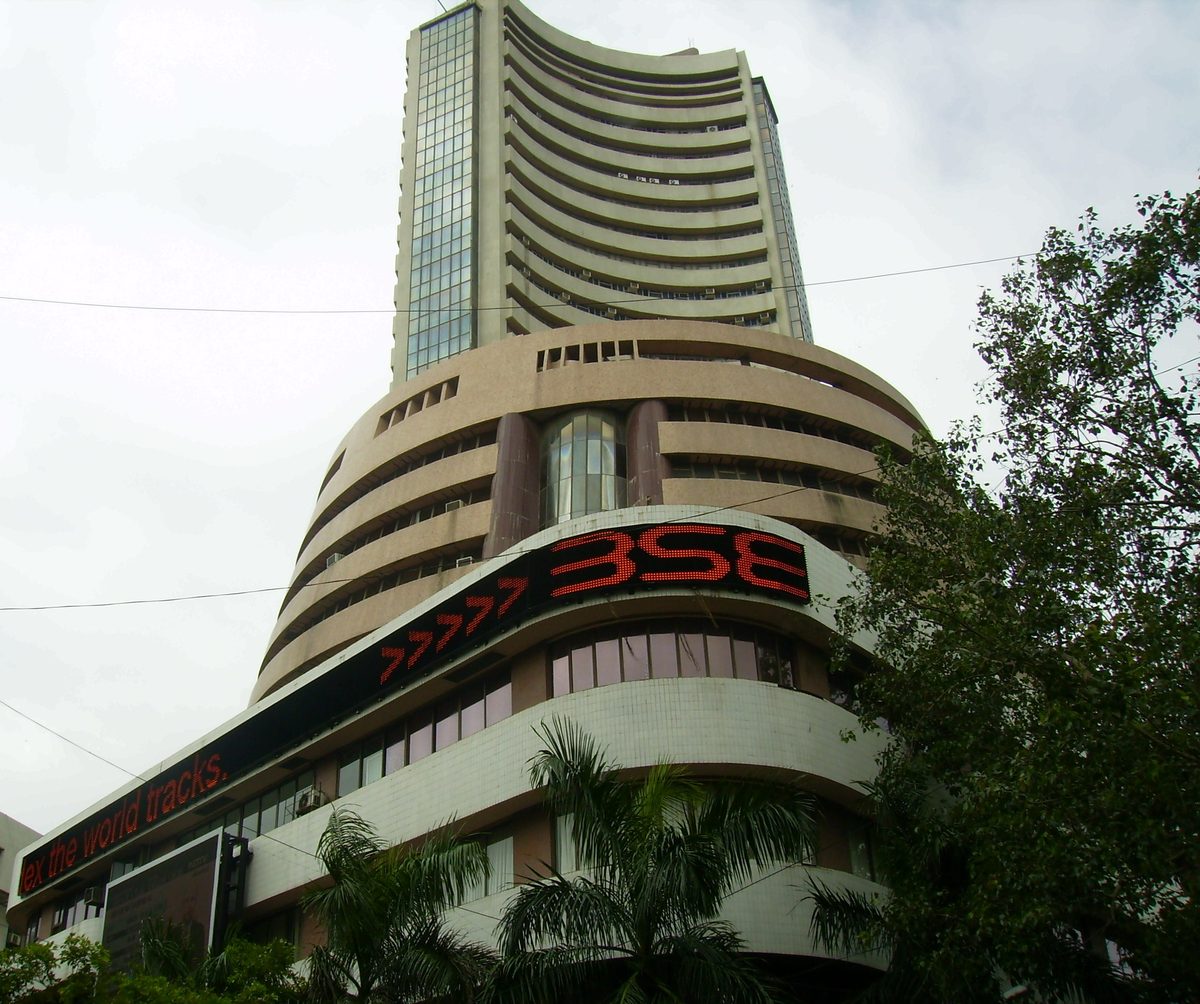
On Diwali, the stock market does not open like an ordinary day — but one special window does open: Muhurat trading. The National Stock Exchange (NSE) and the Bombay Stock Exchange (BSE) said in circulars issued on October 19, 2026 that this year's Muhurat trading will be held on Sunday, November 8, 2026, the day of Diwali (Lakshmi Pujan). Regular trading will stay closed that day, but a short special session will run in the afternoon — main trading from 2:20 PM to 3:30 PM.
Muhurat Trading 2026 at a glance:
Date: Sunday, November 8, 2026 (Diwali, Lakshmi Pujan)
Main session: 2:20 PM to 3:30 PM
Pre-open session: order entry 2:05 PM to 2:15 PM, matching 2:15 PM to 2:17 PM
Block deal session: 1:50 PM to 2:05 PM
Post-close session: 3:50 PM to 4:00 PM
Regular trading: closed for the Diwali holiday — only the special session runs
What is Muhurat trading?
"Muhurat" means an auspicious hour. Diwali marks the start of the new year in the Hindu calendar, and on this day the trading community traditionally worships its account books — a ritual called Chopda Pujan. Muhurat trading is tied to that tradition: investors place their first trade of the new Samvat in the auspicious hour, hoping the coming year brings prosperity. Today the session is fully electronic, but its spirit is unchanged: beginning the new year with an auspicious act. Alongside equities, the session covers segments such as commodity derivatives, currency derivatives, equity futures and options, and securities lending and borrowing (SLB).
The full 2026 schedule — what happens when
According to the exchanges' circulars, this year's timetable is as follows. On a normal day the market opens from 9:15 AM to 3:30 PM, but the Muhurat session lasts only about an hour:
All trades in this session carry the same settlement obligations as a regular trading day.
History and significance — a decades-old tradition
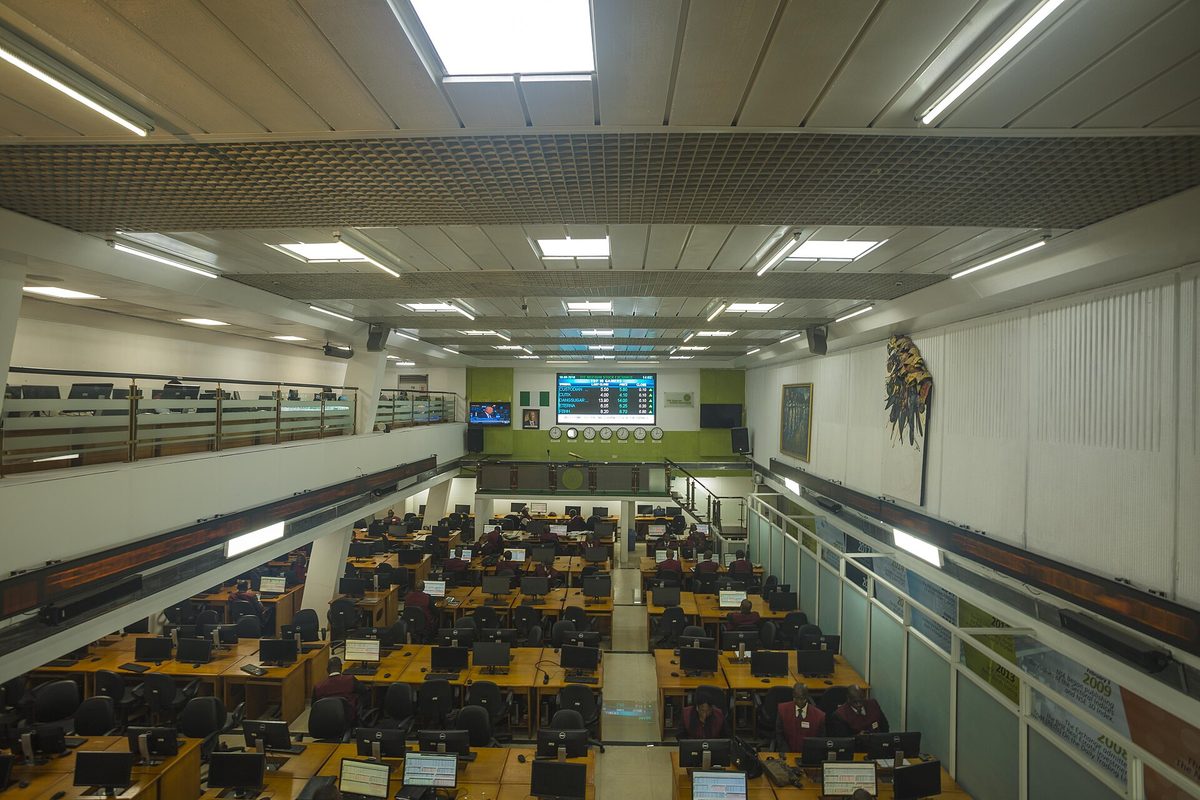
The Muhurat trading tradition is several decades old. In earlier years, traders would gather on the BSE trading floor in traditional dress on Diwali and trade in the auspicious hour. Over time the NSE adopted the tradition too, and today it is an annual event on both of India's major exchanges. This Diwali is taken to mark the start of Vikram Samvat 2083, so the November 8 session will also be the first trading session of the new Samvat. Gujarati and Marwari traders worship their account books on this day and seek the blessings of Goddess Lakshmi and Lord Ganesha.
What to keep in mind for this session
The Muhurat session is short, so prices can move quickly — analysts say the session's significance lies more in its symbolic and traditional value than in immediate profit. Trading in the auspicious hour is no guarantee of profit, so avoid rushed decisions and keep your investment goals and companies' fundamentals in mind. This article recommends no stock or strategy — it only gives information about the session.