Festive Season Gold & Silver Buying Guide 2026: BIS Hallmark, HUID Check, Making Charges and Bill
October 28, 2026 • 3 min read • NiveshKhabar Desk
Dhanteras falls this year on Friday, November 6, 2026, and Diwali will be celebrated on Sunday, November 8, 2026. Gold and silver buying peaks during the festive season, and in that rush the risk of buying an unchecked item also rises. A few simple checks can make your purchase safer — the most important being the BIS hallmark and HUID verification. This article is not investment advice.
The hallmark's three marks — what to look for
A Bureau of Indian Standards (BIS) hallmark carries three marks: the BIS logo (a triangular mark), the purity mark (carat and fineness, such as 22K916, 18K750 or 14K585) and the HUID — a six-digit alphanumeric code unique to that one piece. Hallmarking is mandatory for gold jewellery: the system began on June 23, 2021 in 256 districts and has since been extended in phases across the country. If all three marks are not clearly visible on a new piece, ask the jeweller for an explanation before buying.
How to check the HUID — a 1-minute check on the BIS Care app
HUID stands for Hallmark Unique Identification — a different code for every piece. Checking it is the most reliable way to catch a fake hallmark. Open the free BIS Care app (available on Android and iOS), choose 'Verify HUID' and enter the six-digit code engraved on the piece. The app shows the jeweller's name, BIS licence, article type, carat and the assaying centre. If it shows 'HUID not found', or the details do not match what the jeweller told you, stop the purchase. Old jewellery may legitimately lack a HUID, but new jewellery must carry one.
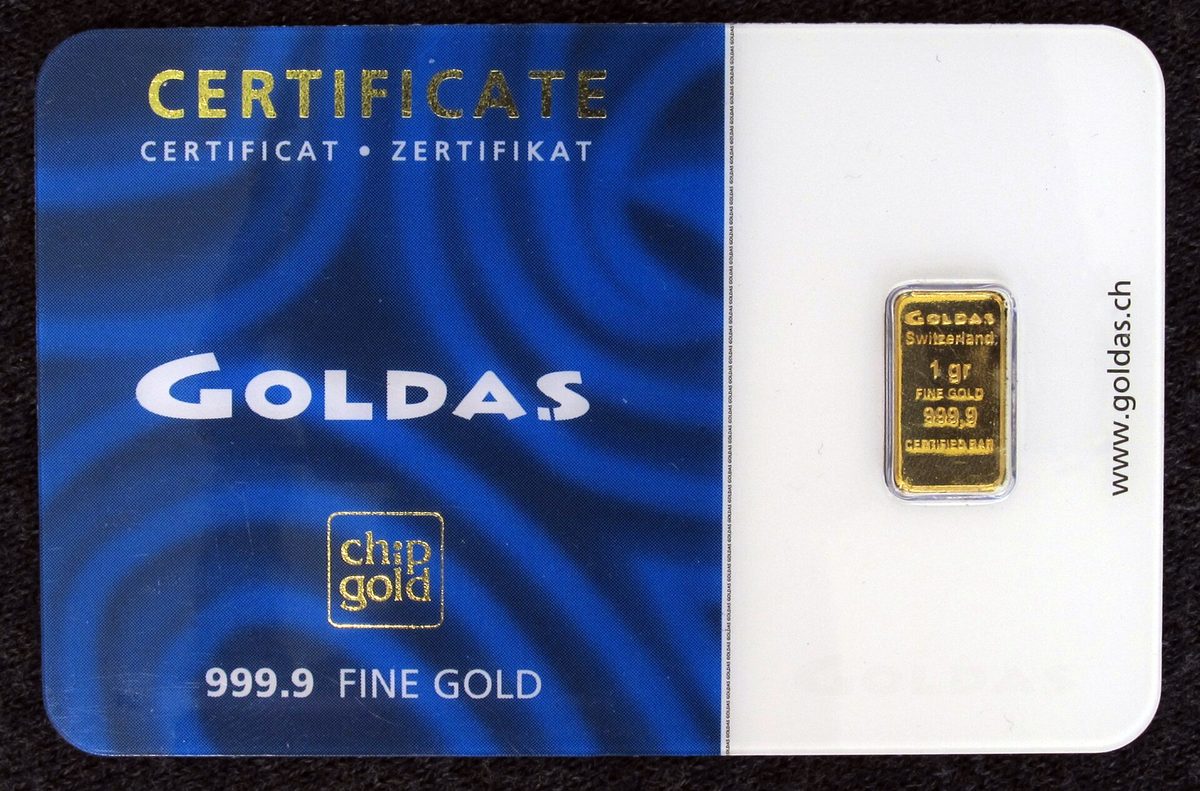
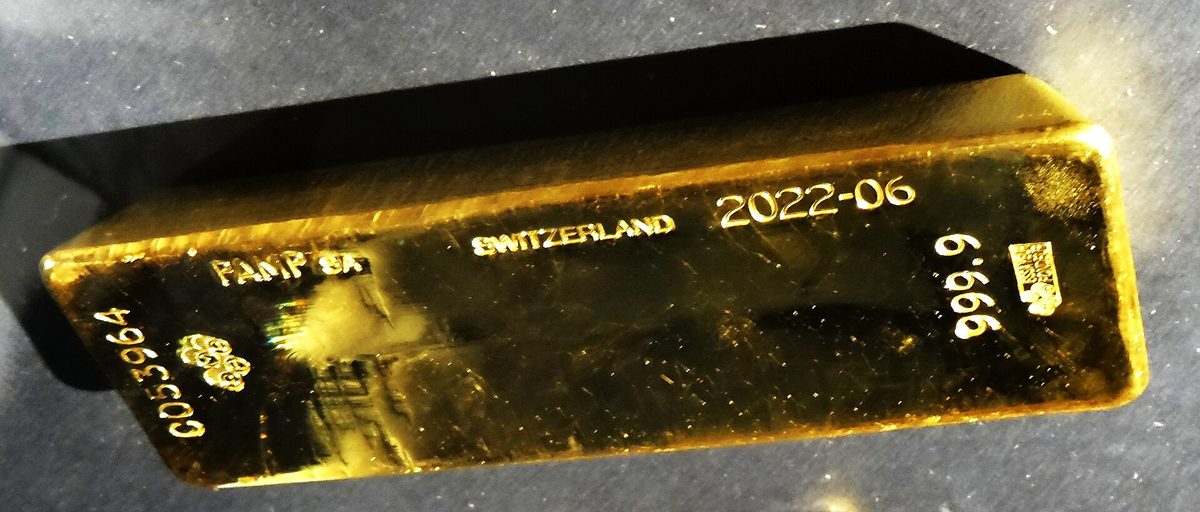
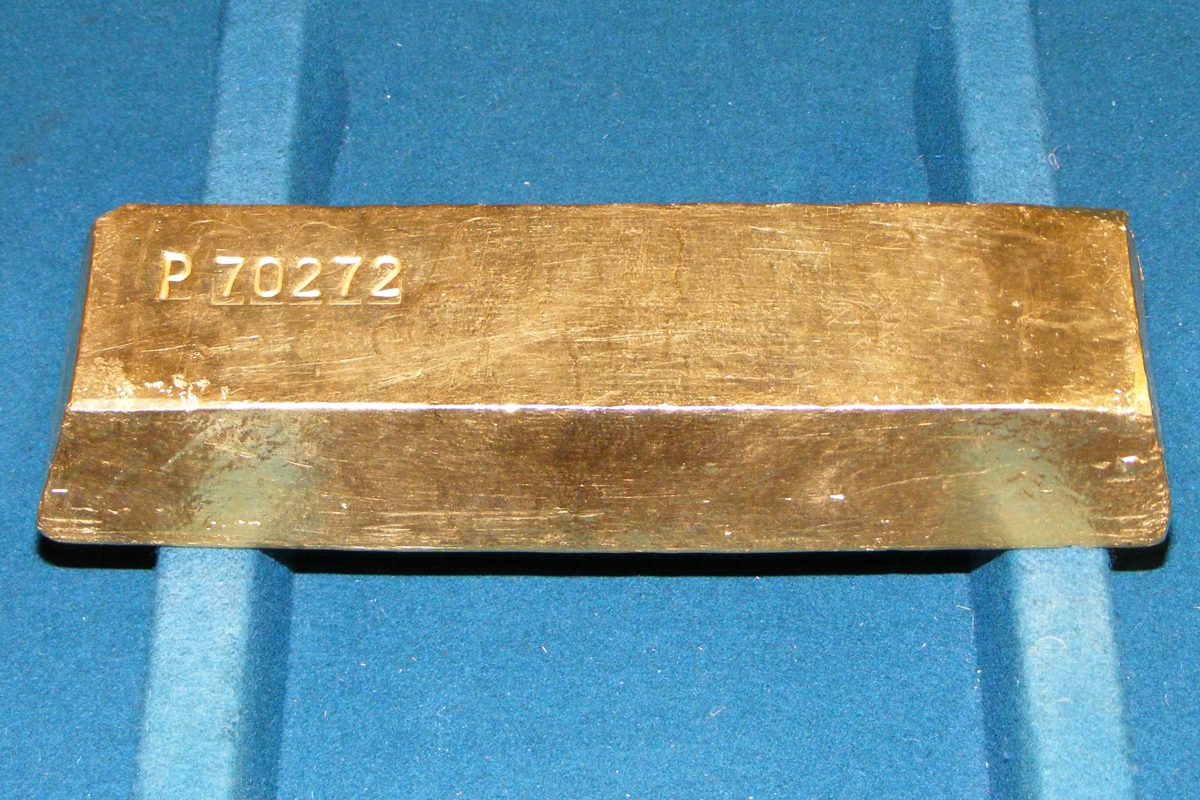
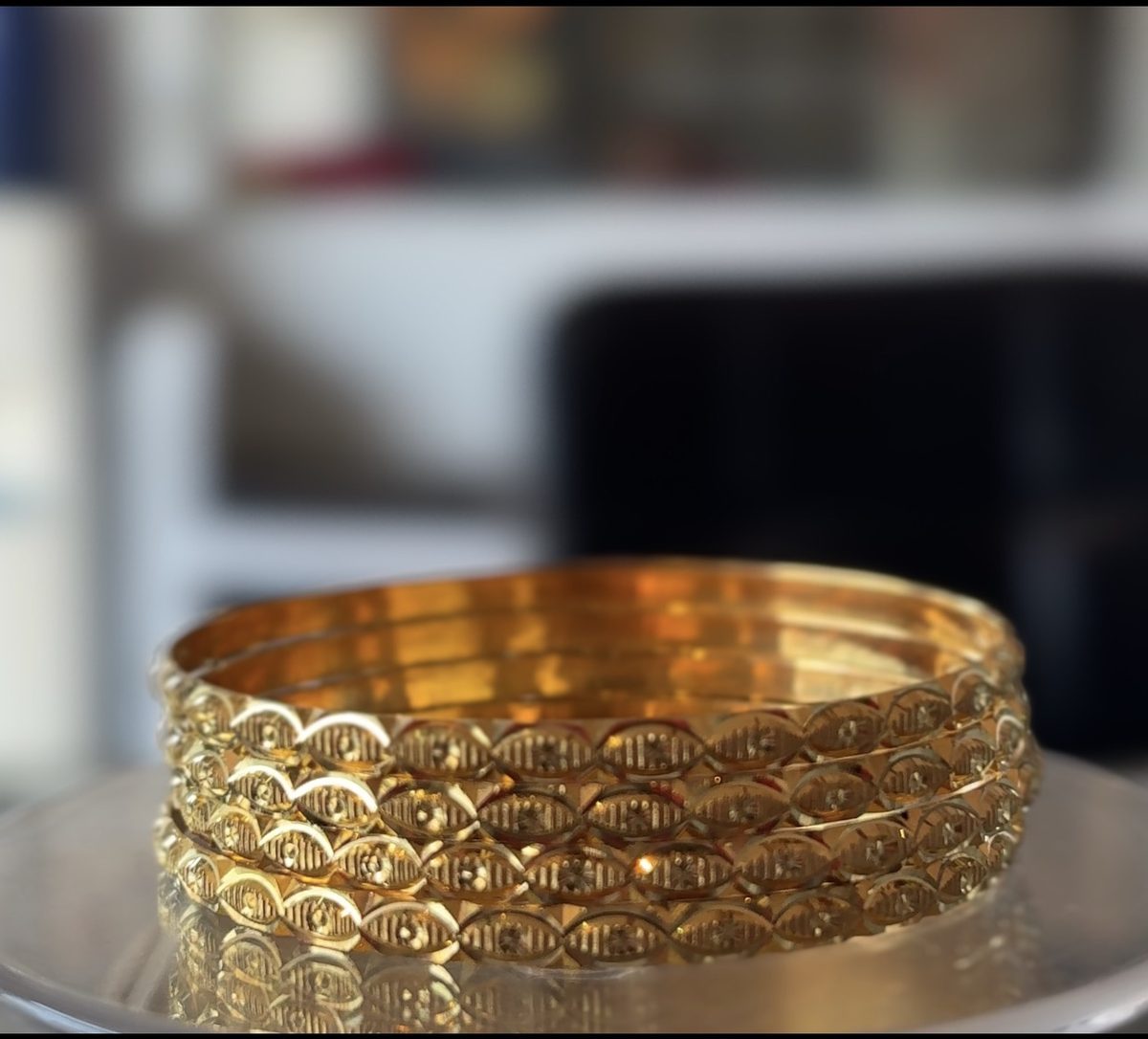
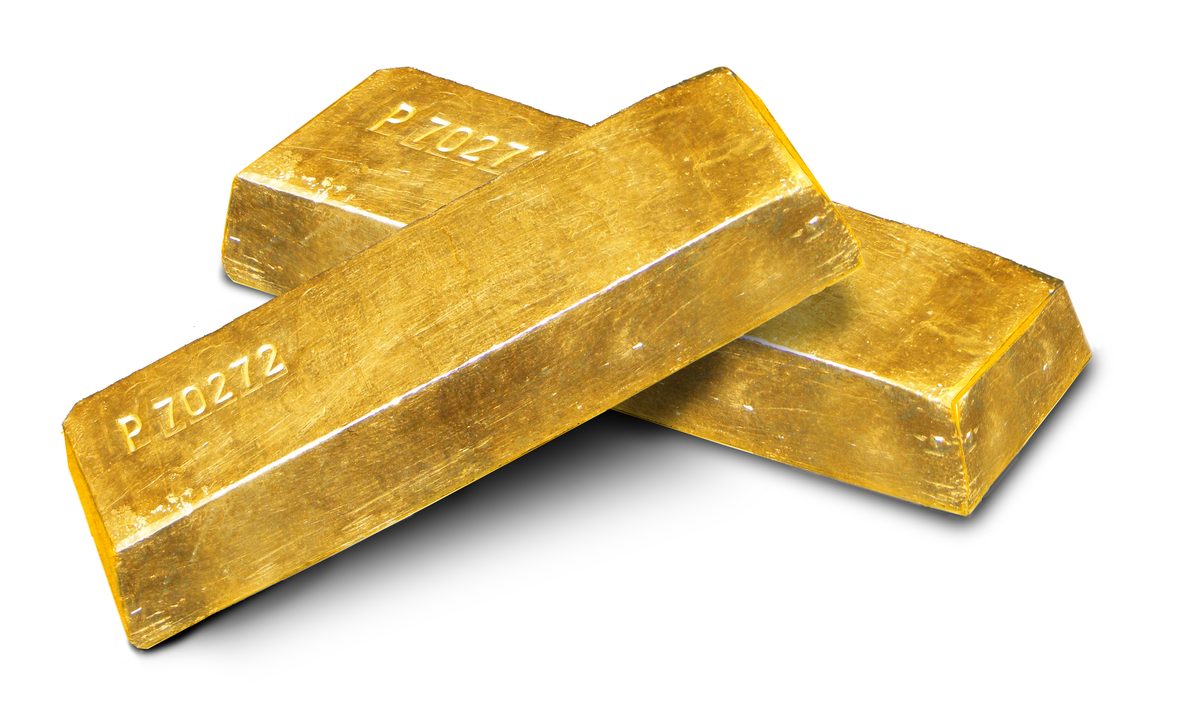
Representative image: gold and silver
Understanding purity — what carat means
Carat measures gold in 24 parts. 24 carat is almost pure gold, 22 carat (916) contains 91.6 percent gold, 18 carat (750) contains 75 percent and 14 carat (585) contains 58.5 percent. Traditional jewellery usually uses 22 carat, while everyday-wear or studded jewellery uses 18 carat. The bill must state the same purity as engraved on the piece — if the jeweller claims 22 carat but the mark reads 750 (18 carat), that is a clear warning sign. The price should also be set by that same purity.
Reading the bill — making charges and GST
A jewellery price has three parts: the gold value (weight × that day's rate), making charges (the labour cost, usually a percentage of the gold value or a fixed fee) and GST. 3 percent GST applies to the gold value. When making charges are shown separately on the bill, 5 percent GST applies to them; on many ready-made bills both are combined and charged 3 percent GST, so ask how your bill is structured beforehand. Making charges are usually negotiable, so compare 2–3 shops. Always take a proper GST bill — it should record the description, weight, purity and HUID. Without a bill, complaints or buyback can become difficult, and under consumer protection law, not issuing a bill is an unfair trade practice.
What to watch for with silver and buyback
Silver is different — hallmarking for silver jewellery is not yet mandatory; it is voluntary. That makes a trustworthy seller, a clean bill and an accurate weight even more important when buying silver. Before buying, ask about the shop's buyback and exchange policy: how much will be deducted when you return an old piece, how weight and purity will be tested, and whether making charges will apply again on exchange. Avoid rushing in the festive crowd — that is when wrong purity or inflated making charges get overlooked.
A short pre-purchase checklist
First, look for the BIS logo, purity mark and HUID on the piece. Second, verify the HUID on the BIS Care app and match the details. Third, get the weight, purity, making charges, GST and HUID recorded separately on the bill. Fourth, check that day's gold rate beforehand. Fifth, ask the buyback and exchange terms in advance. These five checks take only a few minutes, but they make a Dhanteras-Diwali purchase far more trustworthy.