RBI steps in to defend rupee: forex reserves fall $18.34 billion in a week, down $38.15 billion in three weeks
October 4, 2026 • 3 min read • NiveshKhabar Desk
The Reserve Bank of India (RBI) has been intervening heavily in the currency market to stem the rupee's sharp decline, and the direct impact is showing up in the country's foreign exchange reserves. According to the RBI's weekly data, reserves fell $18.34 billion to $747.56 billion in the week ended September 25. This is the third consecutive week of steep declines — in the preceding week ended September 18, reserves had already dropped $14.88 billion to $765.90 billion.
Key takeaways from the reserves data:
Reserves fell $18.34 billion to $747.56 billion in the week ended September 25
Third straight weekly fall; a total drop of $38.15 billion over three weeks
Foreign currency assets declined $15.57 billion to $615.41 billion
Value of gold reserves fell $2.59 billion to $108.70 billion
Reserves now well below the $785.71 billion record high hit on September 4
Down $38.15 billion in three weeks from the record high
India's foreign exchange reserves had touched a record high of $785.71 billion in the week ended September 4. Since then, they have dropped $38.15 billion to $747.56 billion in just three weeks. The decline reflects two forces: the RBI selling dollars in the market to support the rupee, and revaluation losses on non-dollar holdings such as the euro, the pound sterling and the yen. When those currencies weaken against the dollar, the dollar value of the reserves falls too.
Market participants note that the RBI never explains the reasons behind changes in reserves, but the size of this decline is a clear signal that the central bank has been intervening directly in the foreign exchange market to slow the rupee's fall.
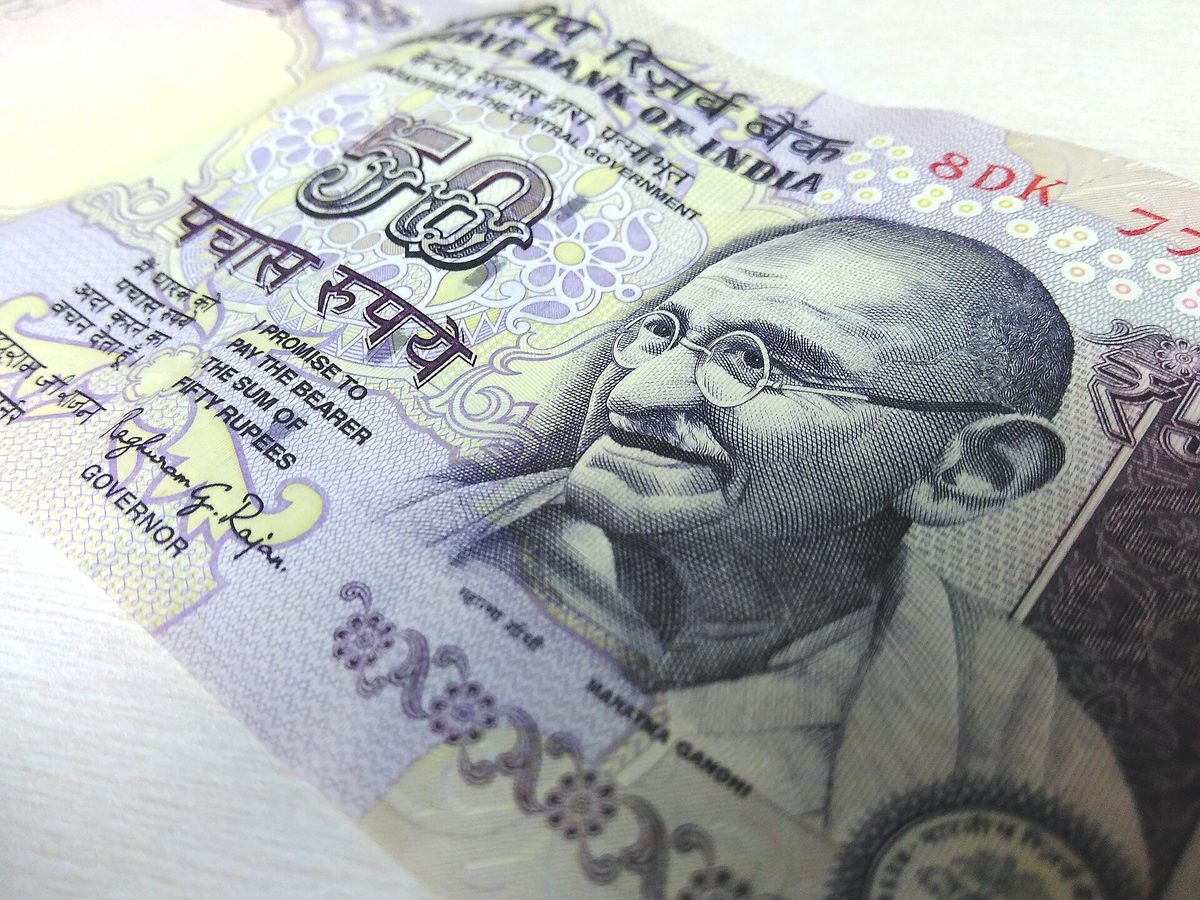
Representative image: rupee and dollar currency
Every component of the reserves kitty shrank
According to the RBI's Weekly Statistical Supplement, all major components declined in the reporting week:
Foreign currency assets (FCA): The largest part of the reserves fell $15.57 billion to $615.41 billion. This was the biggest contributor to the headline fall. A stronger dollar also reduced the value of holdings in the euro, pound and yen.
Gold reserves: The value of gold held by the RBI fell $2.59 billion to $108.70 billion, reflecting softer international bullion prices and portfolio adjustments.
SDRs and IMF reserve position: India's Special Drawing Rights (SDRs) with the International Monetary Fund fell $97 million to $18.64 billion, while the reserve position with the IMF declined $86 million to $4.80 billion.
The full story of the pressure on the rupee
The decline comes at a time when the rupee is under pressure on multiple fronts. It has been holding around the 96-per-dollar level — on October 1 it closed 37 paise lower at 96.31 a dollar, a two-month low. Brent crude above $100 a barrel, the US 10-year bond yield above 5.3%, and sustained foreign investor (FPI/FII) selling have all weighed on the currency.
Notably, the RBI has also been draining excess rupee liquidity through dollar-rupee sell-buy swaps in the forward market, which has pushed forward premiums higher. One major bank's report puts current forex reserves at cover for about 11.2 months of goods imports.
All eyes on the October 7 RBI policy meeting
Markets now await the RBI's Monetary Policy Committee (MPC) meeting on October 7. A large section of economists expects the RBI to raise the repo rate by 25 basis points to 5.50%, given inflation — CPI reached 4.82% in August — and the pressure on the rupee. Some economists, however, are betting the RBI will hold rates and wait for more evidence. The rate decision and the RBI's commentary will shape the rupee's trajectory from here.