Big UPI change from October 15: 0.4% MDR on payments above ₹2,000, no impact on customers
September 29, 2026 • 2 min read • NiveshKhabar Desk
The National Payments Corporation of India (NPCI) has issued a new Merchant Discount Rate (MDR) framework for UPI, effective October 15, 2026. Under it, person-to-merchant (P2M) transactions above ₹2,000 will attract a 0.4% fee — but merchants will pay it, not customers.
What changes for customers?
Nothing. NPCI has clarified that ordinary customers will keep making UPI payments of any amount without any fee. Person-to-person (P2P) transfers — like sending money to family or splitting bills with friends — will stay completely free regardless of amount. UPI Autopay and regular bill payments (electricity bills, OTT subscriptions) are also exempt from this fee.
New MDR framework — key points:
0.4% MDR on P2M transactions above ₹2,000 (paid by merchants)
All payments up to ₹2,000 completely free
P2P transfers free at any amount
Small merchants (receiving up to ₹1 lakh a month via QR) in the exempt category — no fee
₹5 flat fee above ₹2,000 on essential services like railways, telecom, fuel, insurance
According to NPCI, 96% of merchant payments will be unaffected
Why was this change brought in?
According to NPCI data, UPI processed 24.51 billion transactions worth ₹29.82 lakh crore in August 2026 — the highest monthly volume ever. Transactions grew 3.6% over July. 752 banks are now live on the network. Keeping such a massive system secure and modern needs continuous investment in infrastructure, which is why the fee route has been adopted for large merchant payments.
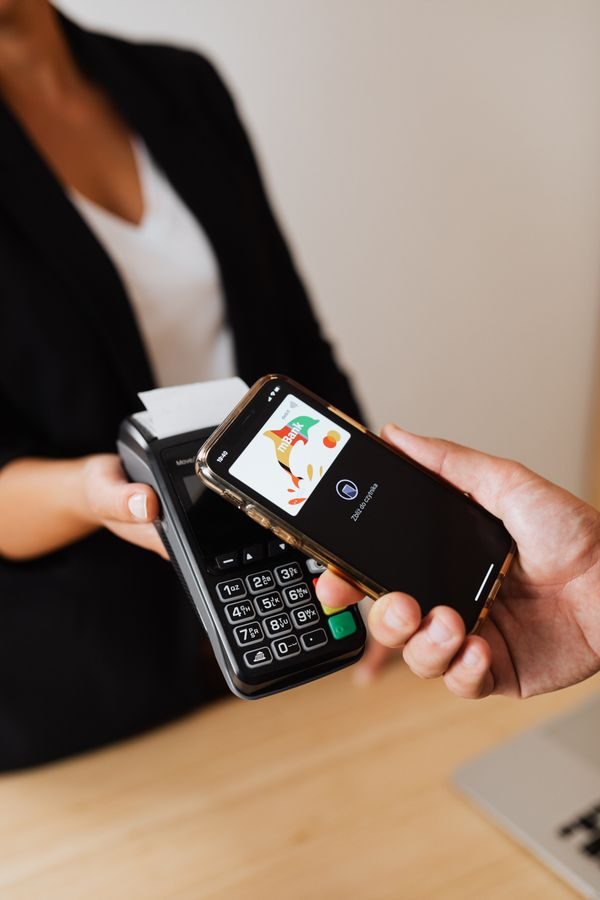
Representative image: digital payment on mobile
Notably, the average UPI transaction in August was about ₹1,217 — meaning most everyday payments are below the ₹2,000 threshold and will be unaffected.
Small merchants' worries addressed
The biggest questions were about small merchants. NPCI clarified that small traders receiving up to ₹1 lakh a month via QR codes will stay in the P2PM exempt category and pay no MDR. They don't need to change their QR codes or soundboxes either. A merchant moves to the normal category only if they receive more than ₹1 lakh for three consecutive months.