Buying gold this Dhanteras 2026? Physical gold, digital gold, SGBs and gold ETFs — all four options in plain language
October 20, 2026 • 4 min read • NiveshKhabar Desk
This year Dhanteras falls on Friday, November 6, 2026, and Diwali on Sunday, November 8. Buying gold on Dhanteras is considered auspicious, but today gold is not sold only at the jeweller's shop — there is digital gold on apps, the government's Sovereign Gold Bonds (SGBs) and gold ETFs on the stock market. Each route has a different cost, tax and risk. Understand all four before you buy.
The four options at a glance:
Physical gold (jewellery, coins, bars): 3% GST on the gold value; a separate 5% GST on jewellery making charges
Digital gold: 3% GST on purchase; outside SEBI regulation — SEBI issued a caution in November 2025
SGB: no new tranche since February 2024; existing bonds are available only on the stock exchange; interest 2.5% per year
Gold ETF: no GST on purchase; a demat account is needed; annual cost (expense ratio) typically around 0.5–1%
Tax: physical/digital gold gets the 12.5% LTCG rate after 24 months; listed gold ETFs get it after just 12 months
1. Physical gold — jewellery, coins and bars
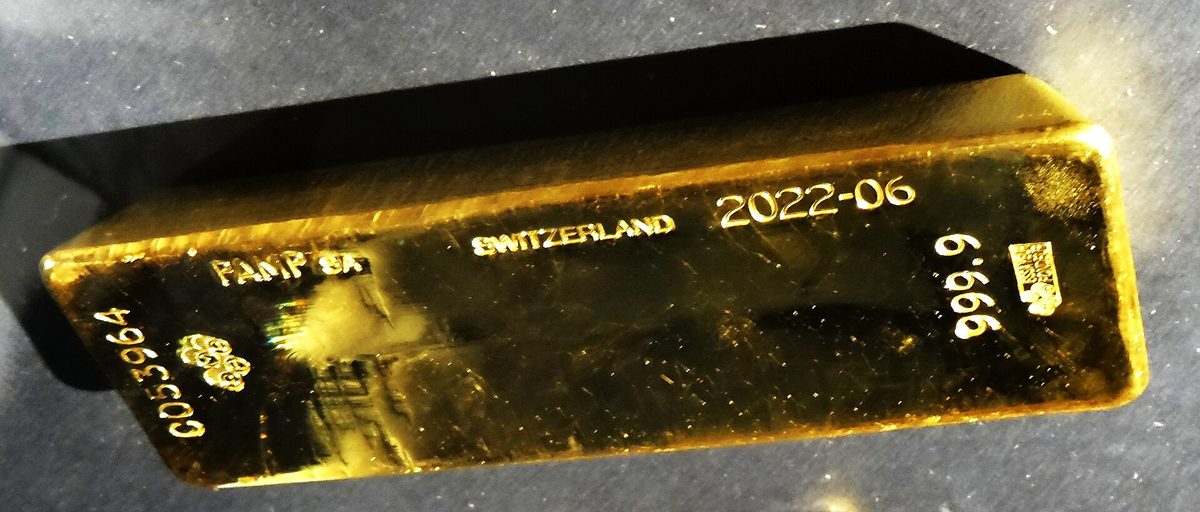
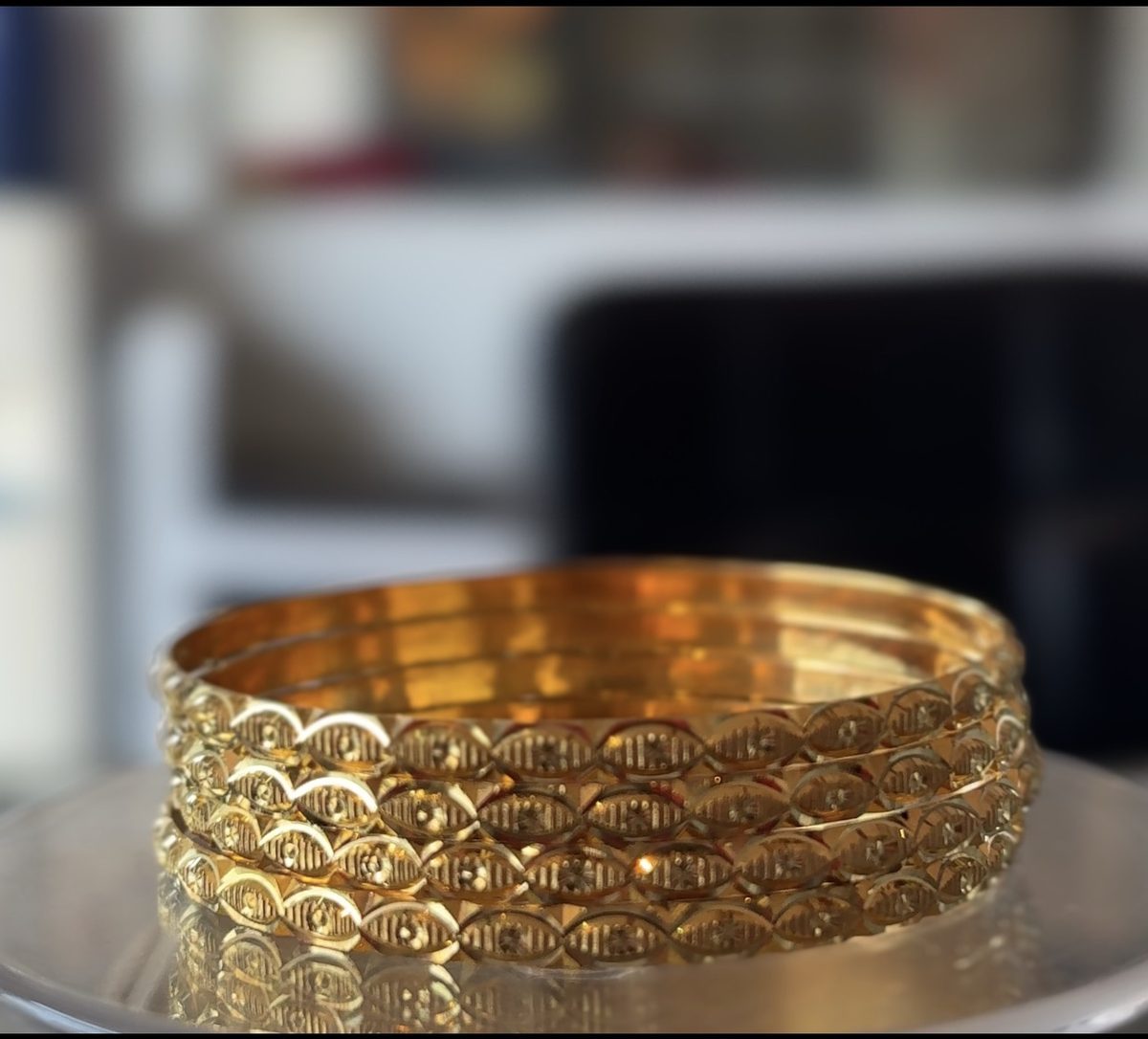
This is the most familiar route — buying jewellery, coins or bars from a jeweller and keeping them at home or in a locker. The bill carries 3% GST on the gold value. On jewellery there is also a making charge — typically around 8–25% of the gold's value — and that making charge carries a separate 5% GST. Remember, making charges are never recovered when you sell, so jewellery works well for wearing but is expensive as a pure investment; coins and bars carry lower making charges. For purity, look only for the BIS hallmark and the 6-digit HUID number — hallmarking is mandatory for gold jewellery, and the HUID can be verified on the BIS Care app. Storage cost and theft risk also come with this option.
2. Digital gold — small amounts on an app
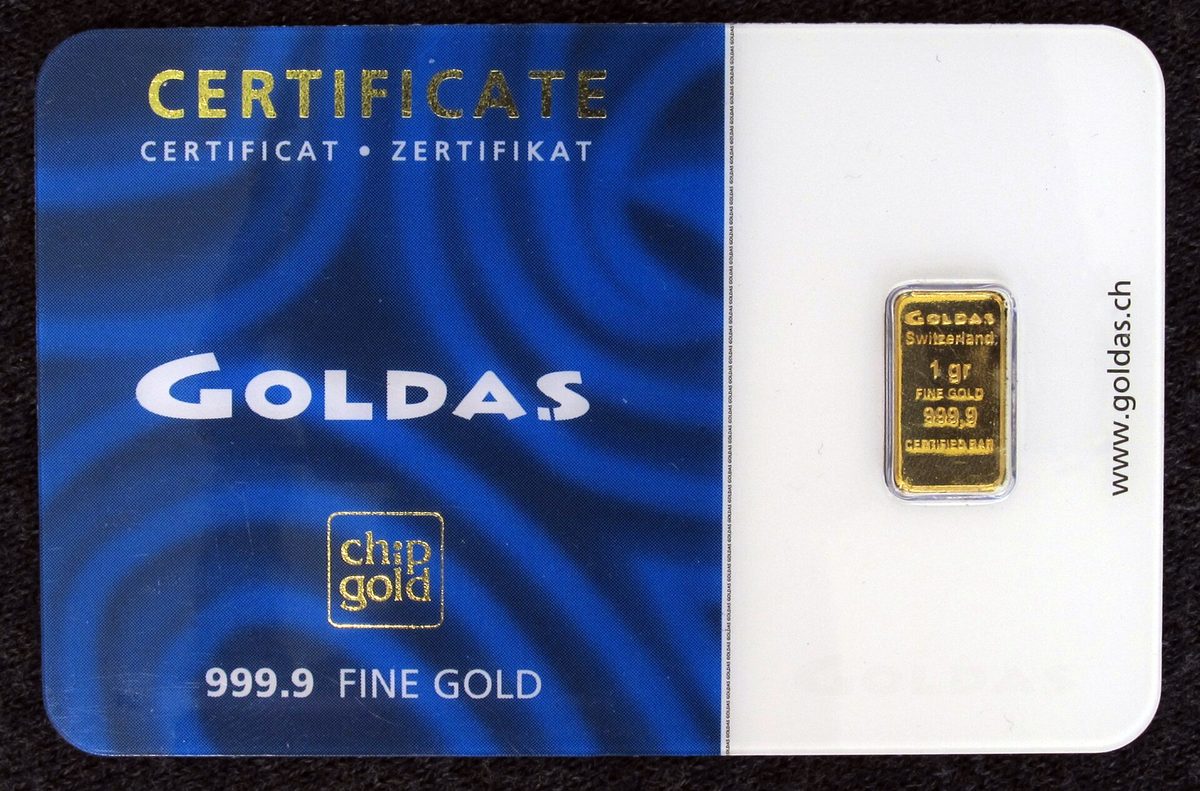
On payment and gold apps you can buy digital gold with small amounts; the company keeps gold in a vault against your name, and you can sell it in the app or take delivery as a coin. The convenience is real, but understand two things clearly. First — purchases attract 3% GST, and the gap between the platform's buy and sell prices (the spread) is typically 2–5%, so costs add up right at the start. Second, and most important — in a public notice in November 2025, SEBI said digital gold is neither a security nor a commodity derivative; it sits outside the regulation of both SEBI and the RBI. That means if the platform or vault company fails, investors have no regulatory protection. Experts advise using only well-known providers (such as platforms backed by MMTC-PAMP or SafeGold).
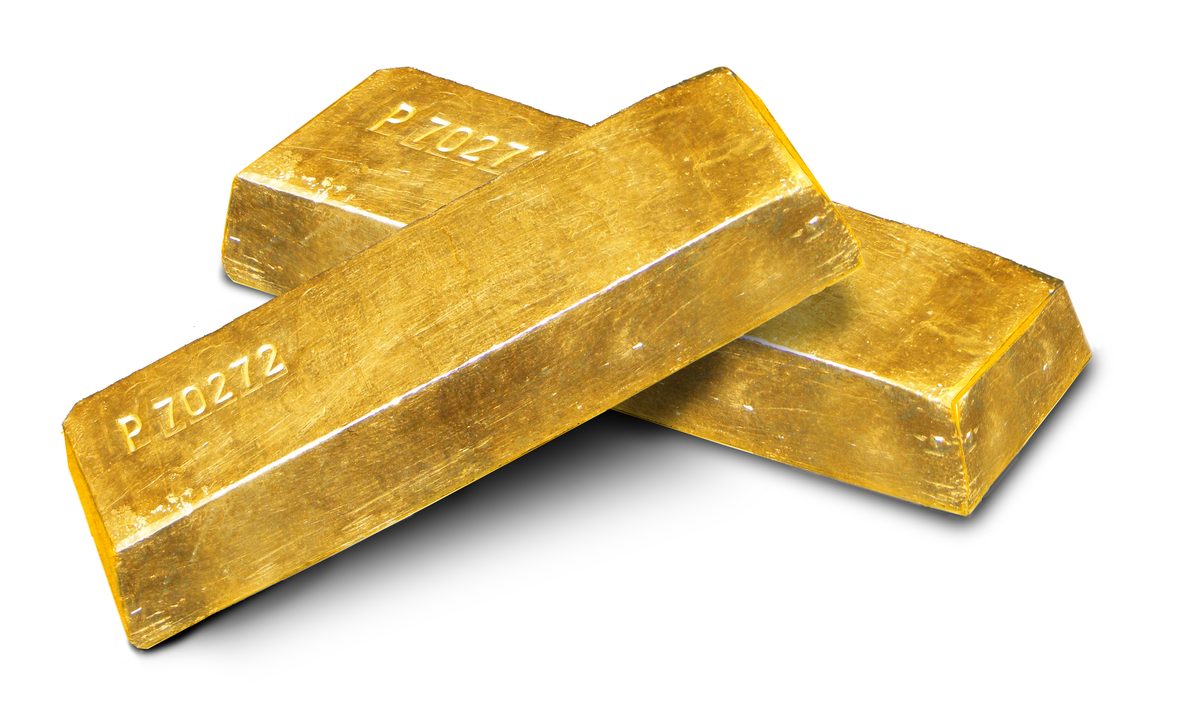
Representative image: gold and silver
3. SGB — the government gold bond, but new issues are shut
Sovereign Gold Bonds (SGBs) were issued by the RBI on behalf of the government — gold by the gram, plus 2.5% annual interest (paid into your account every six months), with no making charges and no storage worries. But this Dhanteras the route is nearly shut for new buyers: the last fresh tranche came in February 2024 (2023-24 Series IV), and no issuance calendar has been announced for FY 2026-27 — the government has stopped new tranches, calling the scheme an expensive way to borrow. Existing bonds can be bought on the NSE-BSE through a demat account, but prices there move above and below the gold price and trading (liquidity) is thin. The bond tenure is 8 years; after 5 years, premature redemption with the RBI is possible on interest-payment dates. The interest is taxable at your income-tax slab rate. Note one recent change too — after Budget 2026, the capital-gains exemption at maturity applies only to those who subscribed in the original issue and held till the end; bonds bought from the market will face 12.5% LTCG.
4. Gold ETF — gold through the stock market
Gold ETFs are mutual fund units traded on the stock exchange (NSE-BSE) just like shares; the fund's money is held in real gold and the product is regulated by SEBI. You need a demat and trading account. There is no GST on purchase and no making charge — the cost is only brokerage plus the fund's annual expense ratio, typically around 0.5–1%. It is ahead on tax as well: being a listed security, it gets the 12.5% LTCG rate after more than 12 months, while physical and digital gold get that rate only after 24 months; sell earlier and the gain is taxed at your slab rate. The only drawback is that you cannot wear or touch this gold — it is purely an investment instrument.
So which route this Dhanteras?
This article does not recommend any single option — the decision depends on your need. Jewellery for wearing and tradition, digital gold for the convenience of small savings (with the risk understood), and for pure investment people generally consider lower-cost, regulated options such as gold ETFs. Whichever route you choose, keep the bill and documents safe, and keep your total gold buying within your overall budget — do not overspend in the festive spirit.