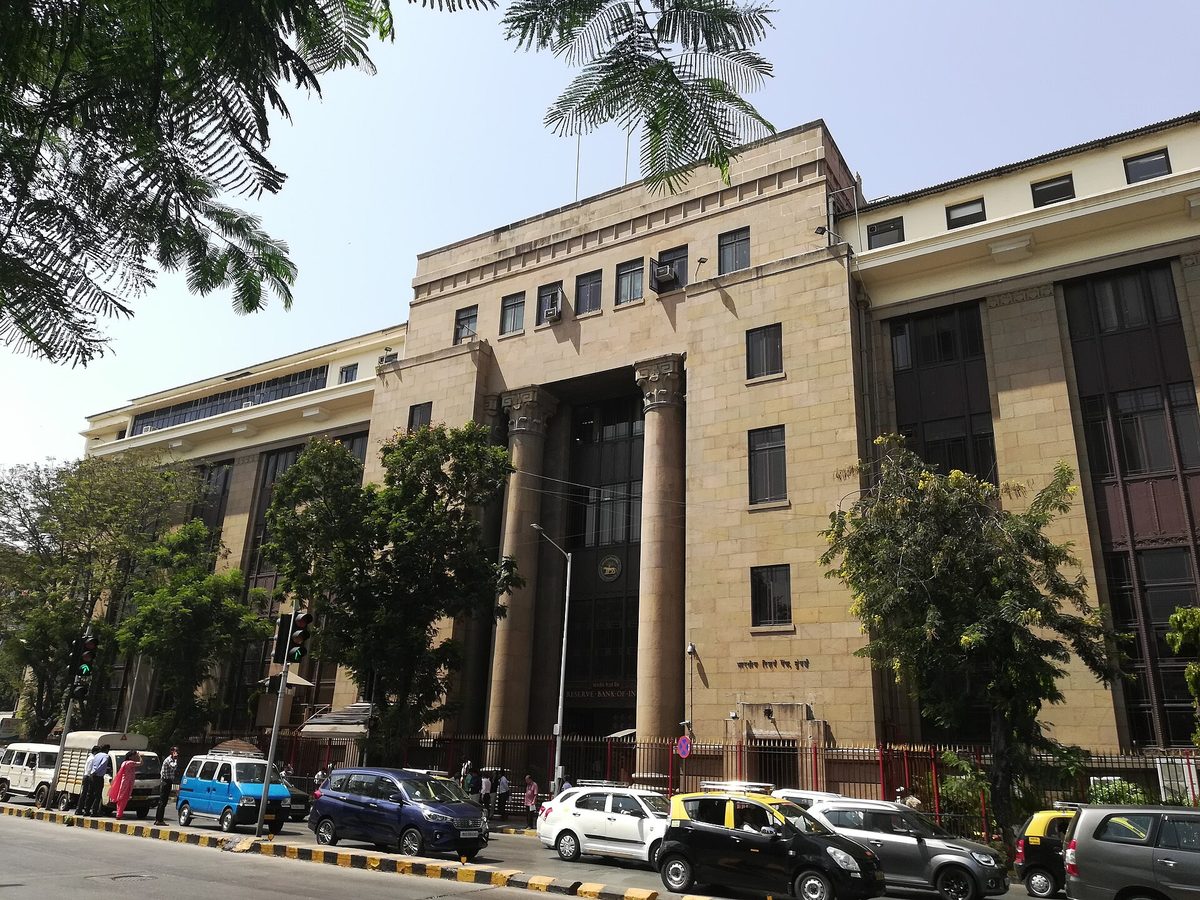
RBI
RBI made record dollar purchases in August: net $43.26 billion bought, bulletin reveals
October 24, 2026: Per the RBI's October bulletin, the central bank bought $74.47 billion and sold $31.21 billion in August 2026 — net purchases of a r
Traders and analysts point to two big reasons. First — the minimum daily cash reserve ratio (CRR) floor was raised from 90% to 99%, effective October 16, forcing banks to hold more cash every day. Second — monthly tax outflows, which drained liquidity from the system. The result: the overnight call rate climbed to 5.67%, clearly above the repo rate — short-term cash had become expensive. Gaura Sengupta, chief economist at IDFC First Bank, said the job of liquidity management is to keep the overnight rate near the repo rate, and the current rate had moved close to the MSF (marginal standing facility).
In simple terms, VRR — Variable Rate Repo — is the RBI lending cash to banks for a few days: banks pledge government securities and repay the funds on a fixed date (here, October 26). It is temporary support — it does not soften the policy stance; the repo rate stays at 5.50% and the "calibrated tightening" stance remains. It does, however, help banks manage funds amid festive-season demand and tax payment pressure.
The direct impact is on short-term interest rates — when the overnight rate stays near the repo rate, banks' funding costs remain stable. It is no guarantee of lower loan rates; one auction does not prove borrowing will get cheaper. But it shows the RBI does not want liquidity to dry up — spending and business activity rise in the festive season, so the central bank's proactive move is relief for banks. Next up: the ₹50,000 crore auction on October 21 and banks' funding positions.
October 24, 2026: Per the RBI's October bulletin, the central bank bought $74.47 billion and sold $31.21 billion in August 2026 — net purchases of a r
October 24, 2026: Per RBI's weekly data, India's foreign exchange reserves fell $5.011 billion to $721.016 billion in the week ended October 16, 2026.

RBI's October MPC minutes, released on October 21, 2026, reveal that the October 7 hike of 25 basis points was unanimous, but members are split on the