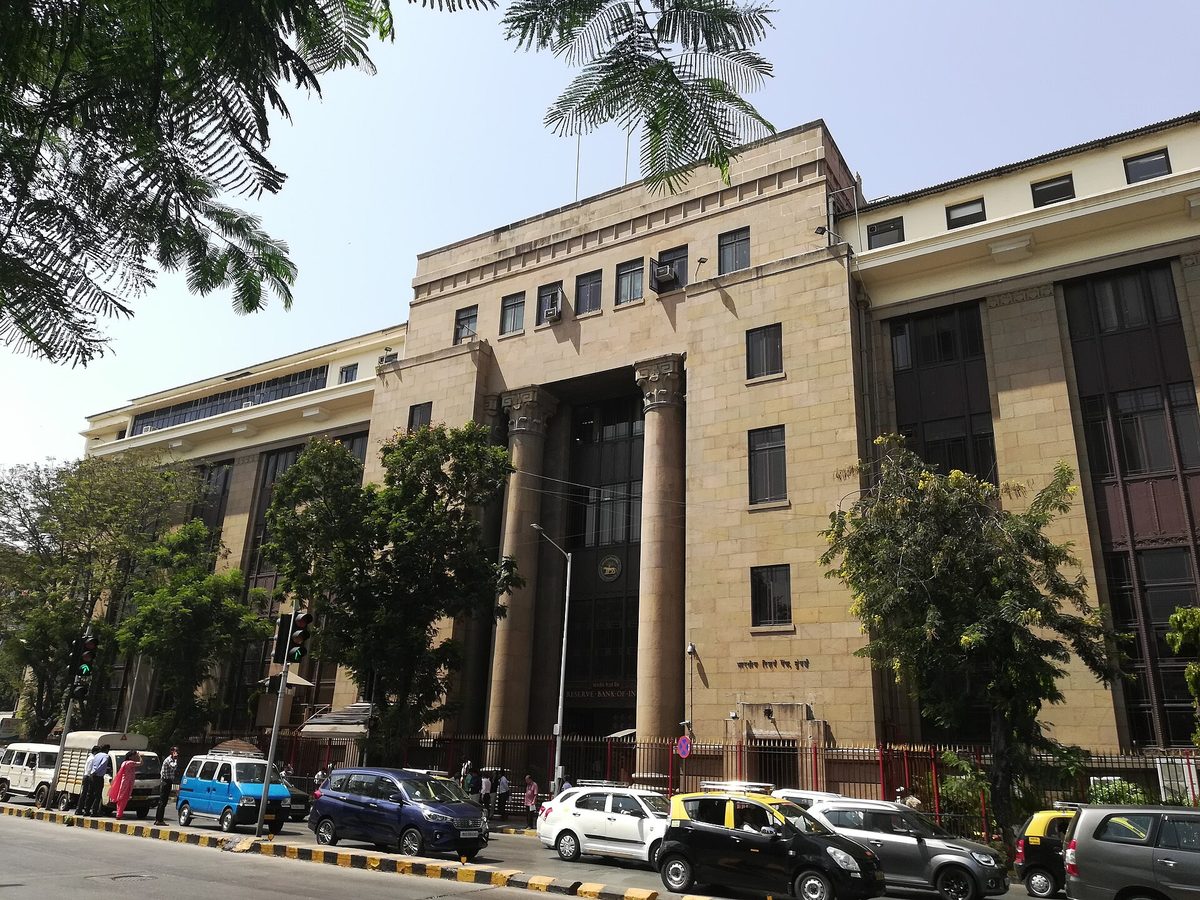
RBI
RBI made record dollar purchases in August: net $43.26 billion bought, bulletin reveals
October 24, 2026: Per the RBI's October bulletin, the central bank bought $74.47 billion and sold $31.21 billion in August 2026 — net purchases of a r
RBI Governor Sanjay Malhotra said the duration and extent of the tightening cycle would depend on how growth and inflation evolve. The minutes show Malhotra pushing for a data-dependent approach — every future decision will rest on incoming numbers. Under "calibrated tightening", the RBI keeps the option of further hikes or pauses, but not a return to cuts in this cycle. The minutes also hint that several members expect further increases at the December and February meetings, and economists now forecast 2–3 additional hikes in the coming months.
Despite agreeing on the hike, the minutes show a clear divide. Some members warned that overly aggressive tightening could hurt consumption, vehicles, real estate and private capital expenditure — sectors already stressed by weak rains and rising input costs. Others argued for pre-emptive action to keep inflation expectations anchored. Deputy Governor Poonam Gupta said policymakers should not wait for definitive evidence that price pressures are broadening, since monetary policy works with a lag — another rate increase may be needed to keep inflation expectations anchored. The Governor himself noted that inflationary pressures are "building up" and the broadening of prices is widening.
The minutes attribute the price rise mainly to supply-side factors, not overheating demand. The key drivers: crude oil pushed up by the West Asia conflict, a deficient monsoon and El Niño pressuring edible oils, sugar and cereal prices, elevated precious-metal prices, and rupee depreciation making imports costlier. Sugar and onion prices were singled out in the resolution. Core inflation reached 4.2% in August (up from 3.9% in July), and households' median inflation expectation for the next three months jumped to 9.9% in the RBI's September survey — which is why the MPC wants to stay ahead of the curve.
The rate hike will flow directly into home loan and borrowing EMIs — a ₹50 lakh home loan could get roughly ₹850 a month more expensive. There is also a relief point in the minutes: no change in CRR or SLR and no fresh liquidity-draining measures were announced. The 7.8% quarterly growth and the upward-revised 7.1% annual forecast signal that the RBI believes growth is strong enough to absorb some tightening — which is why the rate decision was unanimous. Investors will now watch the December MPC meeting, where fresh inflation data will decide the next hike.
October 24, 2026: Per the RBI's October bulletin, the central bank bought $74.47 billion and sold $31.21 billion in August 2026 — net purchases of a r
October 24, 2026: Per RBI's weekly data, India's foreign exchange reserves fell $5.011 billion to $721.016 billion in the week ended October 16, 2026.
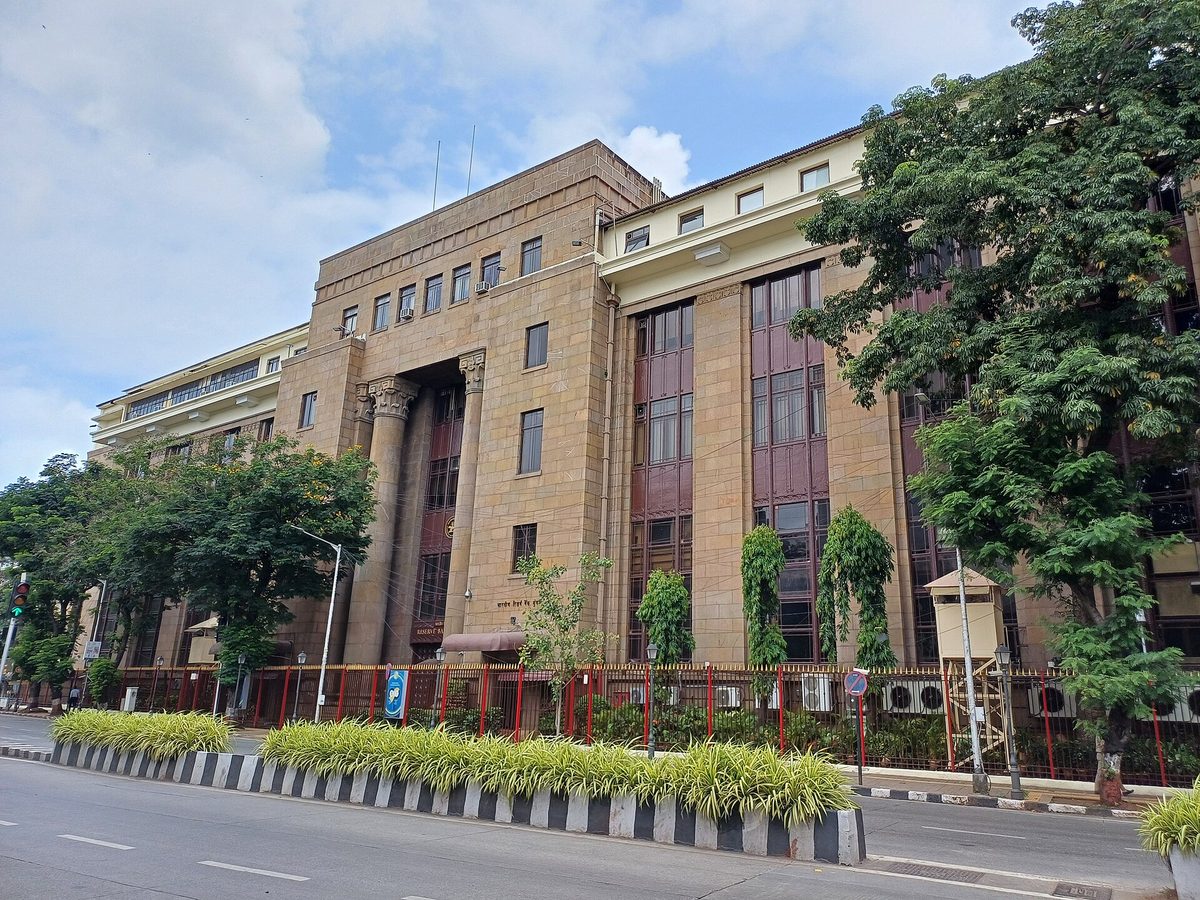
October 20, 2026: RBI allotted about ₹1,00,014 crore in a seven-day Variable Rate Repo (VRR) auction on Monday — bids totalled ₹1.50 lakh crore at a 5