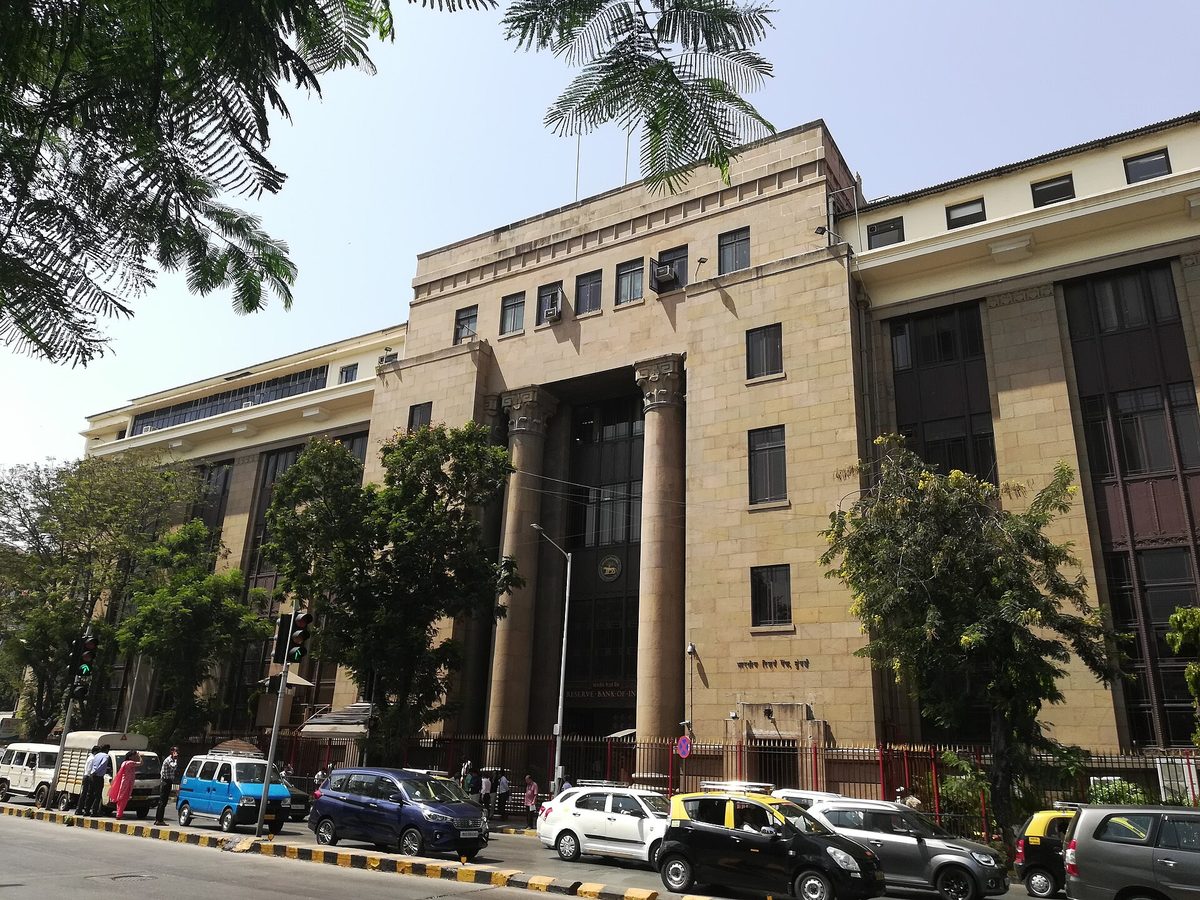
RBI
RBI made record dollar purchases in August: net $43.26 billion bought, bulletin reveals
October 24, 2026: Per the RBI's October bulletin, the central bank bought $74.47 billion and sold $31.21 billion in August 2026 — net purchases of a r
The Consolidated Account Statement (CAS) is prepared by India's two depositories — NSDL and CDSL — and registrar and transfer agents such as KFin Technologies and CAMS. Today it shows demat-account equities, listed debt and mutual fund units. If a demat account or MF folio saw a transaction in a month, the CAS is sent monthly; otherwise it is sent half-yearly (holdings as of March and September, dispatched in April and October). Bank deposits do not figure in it — customers must check bank apps or passbooks separately. Under the RBI's move, bank deposit details will join the same CAS, giving investors a single picture of their entire wealth.
The RBI also announced interoperability among NBFC account aggregators. Customers will no longer be tied to one NBFC-AA app — they can use any NBFC-AA of their choice to access and share financial information held with banks, NBFCs, insurers, mutual funds and NPS fund managers. The stated objective is customer convenience. The Account Aggregator framework, launched in 2016, covers entities regulated by the RBI, SEBI, IRDAI and PFRDAI. MSME business owners stand to benefit too — sharing financial data from multiple banks through a single app can make business loan applications faster and fully paperless.

Demat account holders: bank deposit details will sit alongside your stocks and mutual fund holdings in the same CAS — no more hunting through separate statements. Those without demat accounts: interoperability means they too can get a consolidated view of their financial information through NBFC-AAs. Note the caveat: the change only brings information together; it does not turn bank deposits into investment holdings, and no money moves between a bank account and a demat account. BankBazaar CEO Adhil Shetty likened the utility to income tax's Form 26AS — a single, consolidated view of all holdings.
The RBI has not yet clarified whether "deposit accounts" will include only fixed deposits or savings accounts as well. The scope will become clear once operational guidelines are issued. Data sharing also stays consent-based — nothing is shared without the customer's approval under the Account Aggregator framework.
October 24, 2026: Per the RBI's October bulletin, the central bank bought $74.47 billion and sold $31.21 billion in August 2026 — net purchases of a r

October 24, 2026: Per RBI's weekly data, India's foreign exchange reserves fell $5.011 billion to $721.016 billion in the week ended October 16, 2026.

RBI's October MPC minutes, released on October 21, 2026, reveal that the October 7 hike of 25 basis points was unanimous, but members are split on the