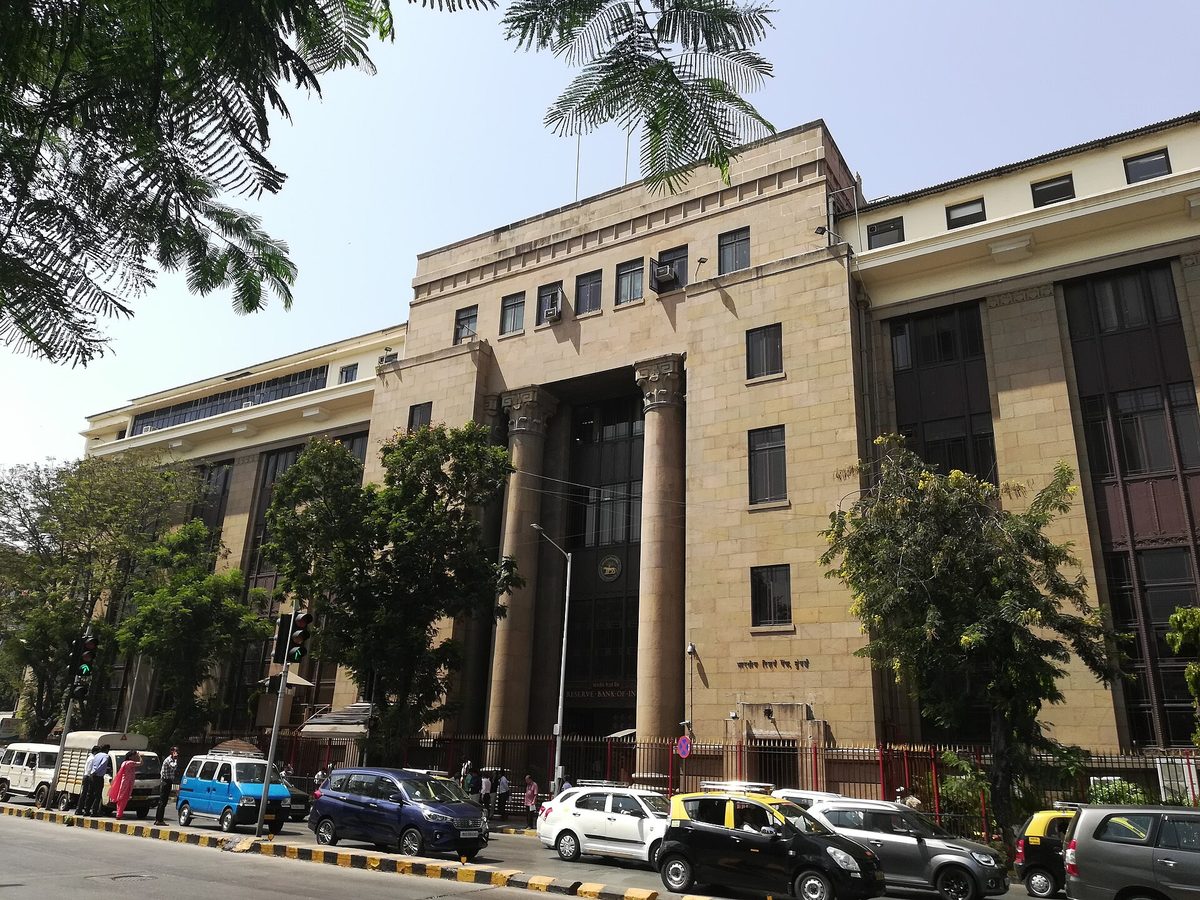
RBI
RBI made record dollar purchases in August: net $43.26 billion bought, bulletin reveals
October 24, 2026: Per the RBI's October bulletin, the central bank bought $74.47 billion and sold $31.21 billion in August 2026 — net purchases of a r

The rupee has been under steady pressure. On October 2 we reported it had slipped to 96.31, a two-month low — and the slide against the dollar has only deepened since. Friday's close of 96.73 puts the currency just a few paise away from its all-time low of 96.96, touched in May. The drivers: foreign investor selling, a strong dollar, and elevated crude prices (Brent around $103 a barrel on October 9). Reserves are also falling — India's forex chest dropped $12.95 billion to $734.61 billion in the week ended October 2, a fourth straight weekly decline.
India's three public-sector oil marketers buy hundreds of millions of dollars a day to pay for crude imports — the country imports roughly 4.5–5 million barrels of crude daily. When such a large buyer steps into the open market, traders see the demand coming and buy dollars ahead of it, adding to rupee weakness. Now the RBI will meet the OMCs' dollar needs directly from reserves via designated banks, so this bulk demand never reaches the trading screen. The result: lower dollar demand in the market and calmer trading — but the dollars still come out of the RBI's reserves, so the depletion will show up in the weekly data. The RBI's stated justification for the move was only an "assessment of current market conditions"; the announcement carries no rate, no daily cap and no end date.
Alongside the dollar window, the RBI imposed tough new rules on forex derivatives. Market participants can no longer rebook cancelled rupee derivative contracts — an old route speculators used to rebuild positions. The limit for taking derivative positions without a genuine underlying exposure has been cut from $100 million to $5 million. Banks (authorised dealers) must now obtain a written undertaking from clients that the same exposure is not hedged elsewhere, and hold 20% of notional in cash with the RBI as a reserve on contracts above $2 million. These rules took effect immediately.
Experts say the rupee could get initial relief on Monday, October 12 as oil-company demand disappears from the market — but the real picture will emerge from Monday's interbank volumes and the RBI's weekly reserve data, which will reveal how many dollars the window is actually consuming. Note that just a week earlier, on October 7, the RBI also raised the repo rate to 5.50% — the central bank is now fighting on both fronts, the currency and inflation. With the dollar window and derivative curbs effective from Monday, bearish rupee bets just got costlier for speculators.
October 24, 2026: Per the RBI's October bulletin, the central bank bought $74.47 billion and sold $31.21 billion in August 2026 — net purchases of a r

October 24, 2026: Per RBI's weekly data, India's foreign exchange reserves fell $5.011 billion to $721.016 billion in the week ended October 16, 2026.

RBI's October MPC minutes, released on October 21, 2026, reveal that the October 7 hike of 25 basis points was unanimous, but members are split on the