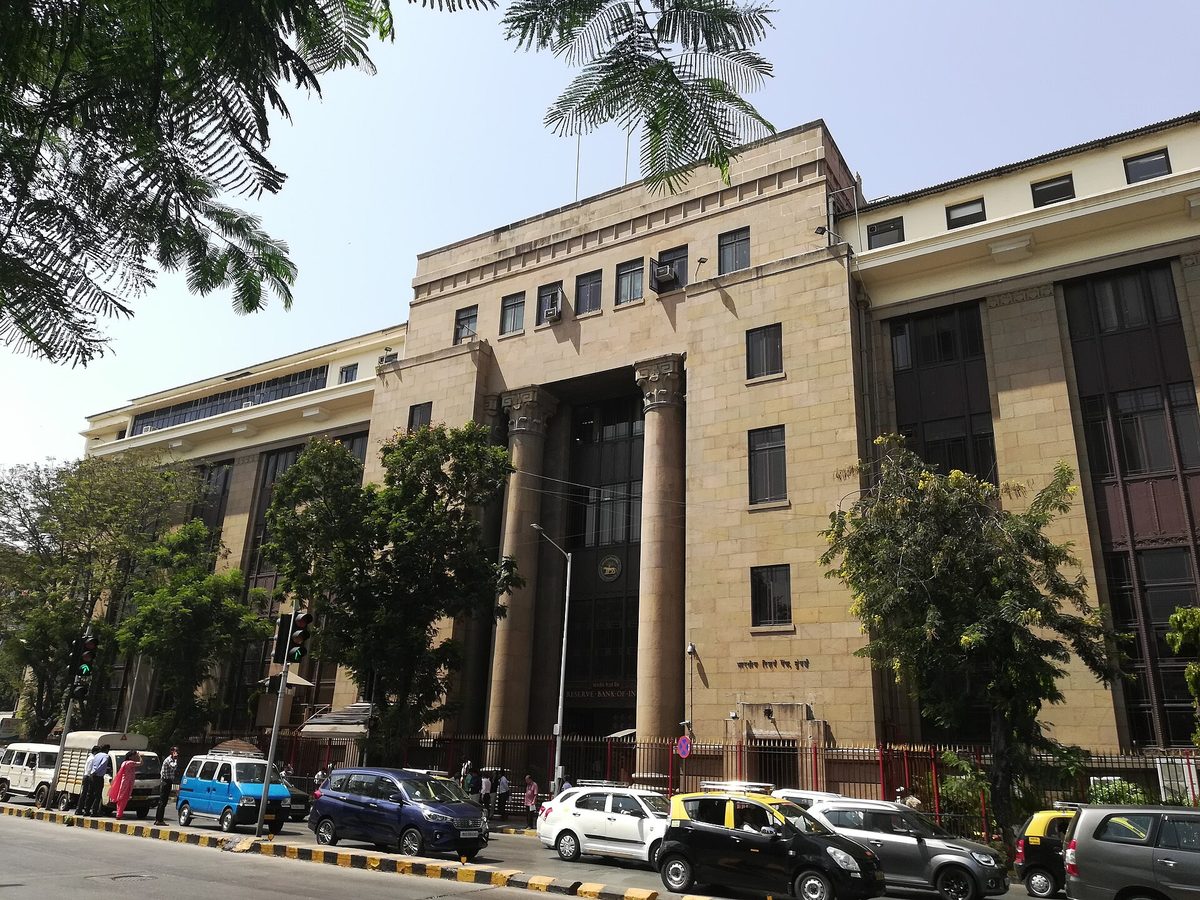
RBI
RBI made record dollar purchases in August: net $43.26 billion bought, bulletin reveals
October 24, 2026: Per the RBI's October bulletin, the central bank bought $74.47 billion and sold $31.21 billion in August 2026 — net purchases of a r

Responding to a media query, Malhotra said the decision on MDR has already been taken and, based on current signals, the central bank does not expect a decline in usage. The comment carries weight because it came exactly a week before the new framework goes live — at a time when many merchants fear the fee could discourage large digital payments. According to the Governor, the new fee sits inside the merchant-payments ecosystem, and consumers will not pay any separate charge for using UPI. The government has also advised banks to ensure merchants do not pass the MDR on to customers as a separate UPI fee.
The Finance Ministry has clarified that the new MDR is not a tax, nor a fee collected by the government or NPCI. The amount will be shared among UPI ecosystem participants, including banks and payment-app companies, to support the long-term sustainability and expansion of the digital-payments infrastructure. Under the framework announced in September, P2P transfers of any amount remain free, and the zero-MDR framework covering small merchants also continues. The result: around 96% of P2M transactions will attract no new fee, so ordinary customers will not need to pay anything extra for everyday payments.
Despite the limited scope, some merchants have raised concerns about the additional cost. Businesses with thin profit margins that accept a high volume of higher-value digital payments may feel the impact more, and some companies could encourage customers to switch to cash or other payment methods to avoid the MDR. The RBI believes the limited scope of the fee, the continued free P2P facility and protection for small merchants will prevent any major change in consumer behaviour. The real impact will only become clear after October 15, once merchants and customers have had time to adjust to the new system.
The Governor's confidence comes against the backdrop of record-high UPI usage. NPCI data shows UPI processed 2,407 crore transactions worth Rs 29.37 lakh crore in September 2026 — a new record. Notably, the government announced in mid-September that it was ending nearly six years of a blanket zero-MDR regime, introducing the new fee from October 15. All eyes are now on whether the framework, launching amid the festive season, keeps India's digital-payments revolution on track.
October 24, 2026: Per the RBI's October bulletin, the central bank bought $74.47 billion and sold $31.21 billion in August 2026 — net purchases of a r
October 24, 2026: Per RBI's weekly data, India's foreign exchange reserves fell $5.011 billion to $721.016 billion in the week ended October 16, 2026.
RBI's October MPC minutes, released on October 21, 2026, reveal that the October 7 hike of 25 basis points was unanimous, but members are split on the