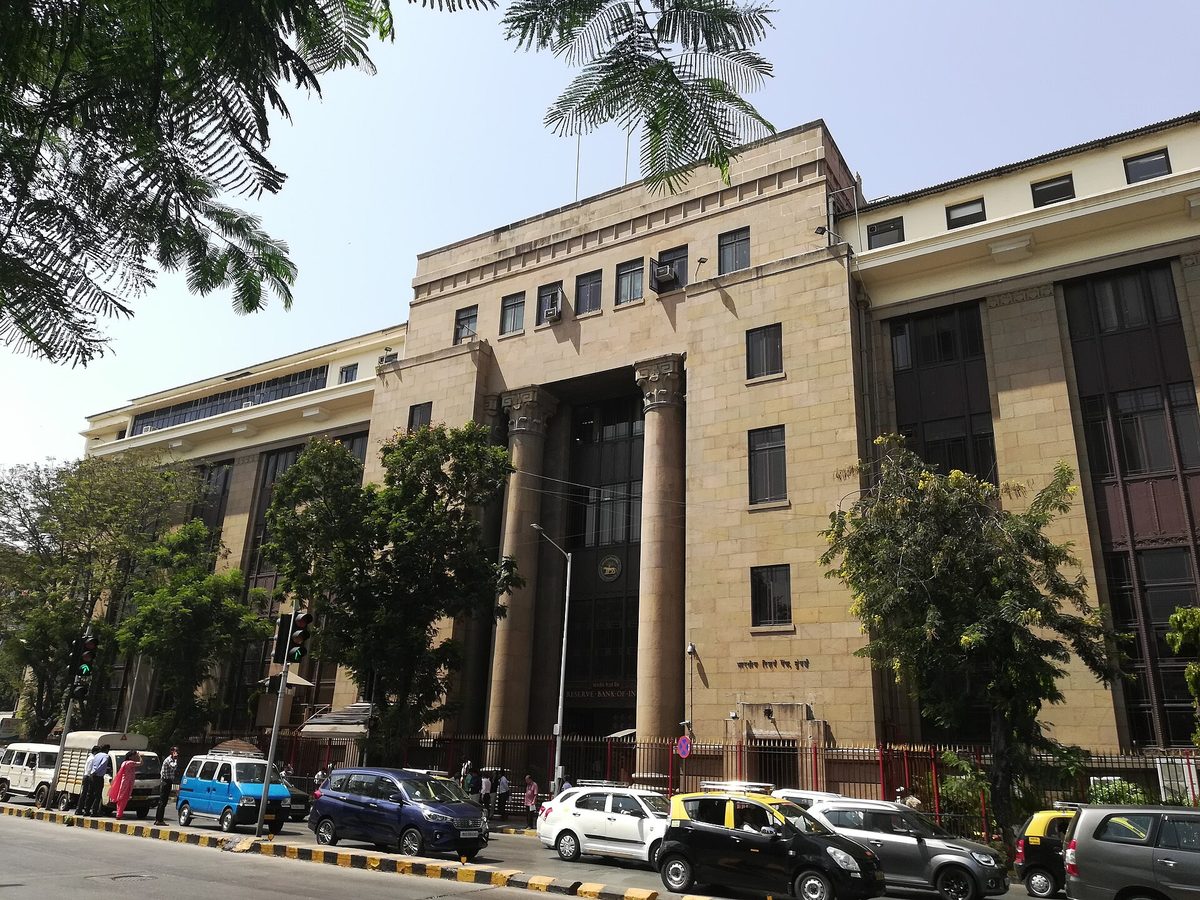
RBI
RBI made record dollar purchases in August: net $43.26 billion bought, bulletin reveals
October 24, 2026: Per the RBI's October bulletin, the central bank bought $74.47 billion and sold $31.21 billion in August 2026 — net purchases of a r

According to the RBI, inflation is no longer benign. CPI was 4.82% in August, and the central bank raised its FY27 inflation forecast from 5.0% to 5.2% as price pressures become more broad-based. Rising food prices, a deficient monsoon, Brent crude holding above $100, elevated global bond yields (the US 10-year above 5%) and rupee depreciation all tilted the committee towards tightening. At the same time, the domestic economy remains resilient — which is why the RBI also raised its FY27 GDP growth forecast by 40 bps to 7.1%. CareEdge's chief economist noted that this hiking cycle is expected to stay shallow, with scope for another 25–50 bps going forward, as inflation becomes more broad-based.
Indian markets came under pressure after the announcement — by 2:10 pm, the Sensex was down 574.51 points and the Nifty down 214.60 points. But the picture was split across sectors: banking stocks steadied after the announcement, while rate-sensitive auto and real estate stocks traded in the red. The 10-year government bond yield hardened by 3–5 bps to around 7.24%. In another move, the RBI also allowed interoperability between Account Aggregators.
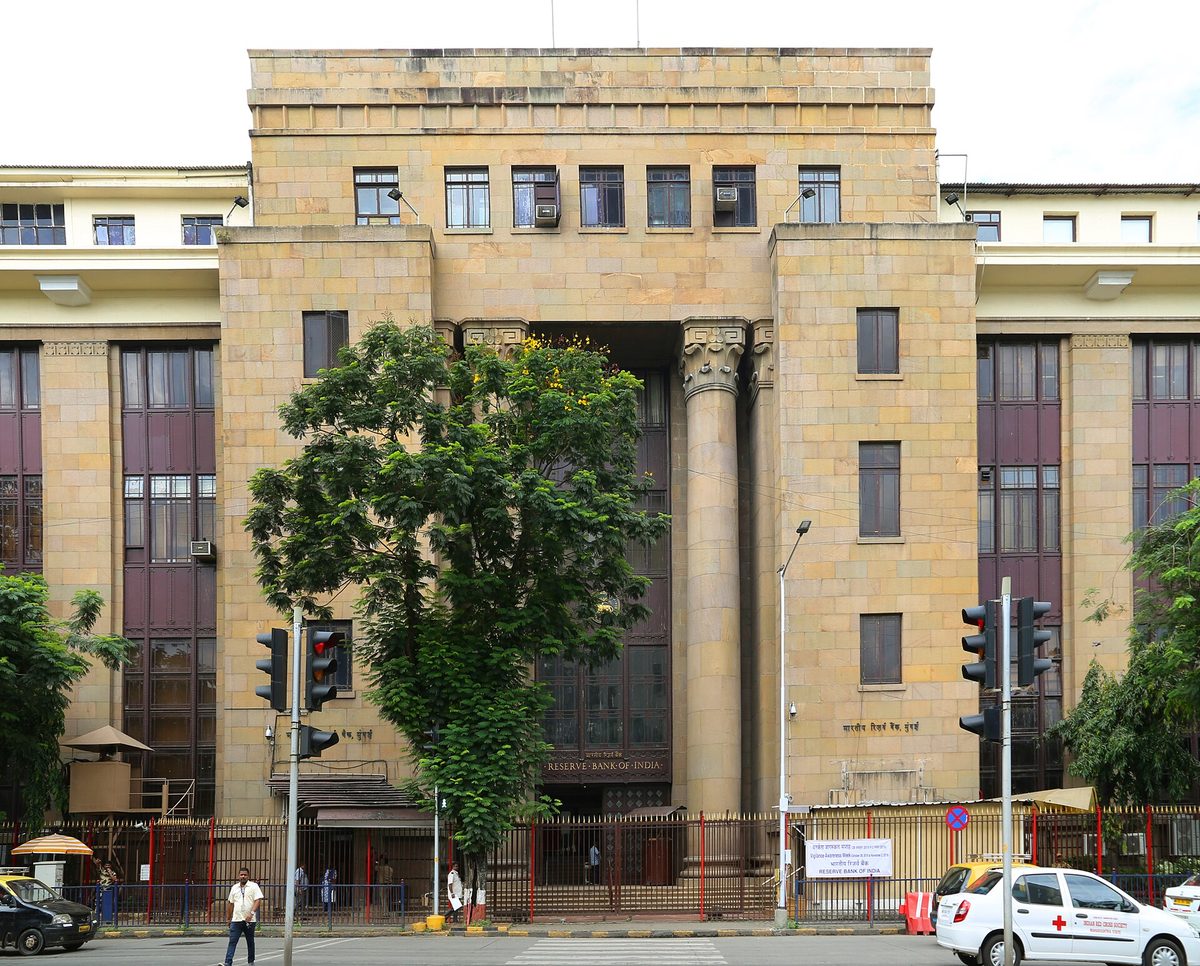
A higher repo rate makes borrowing costlier for banks, and the effect will gradually reach customers. Floating-rate home, car and personal loan EMIs will rise — for borrowers on repo-linked rates, the new rate will apply from the next reset date. Media reports estimate that a ₹50 lakh home loan at 7.5% over 25 years could see its monthly instalment rise by roughly ₹817. On the other side, fixed deposit rates are also likely to move up.
October 24, 2026: Per the RBI's October bulletin, the central bank bought $74.47 billion and sold $31.21 billion in August 2026 — net purchases of a r

October 24, 2026: Per RBI's weekly data, India's foreign exchange reserves fell $5.011 billion to $721.016 billion in the week ended October 16, 2026.

RBI's October MPC minutes, released on October 21, 2026, reveal that the October 7 hike of 25 basis points was unanimous, but members are split on the