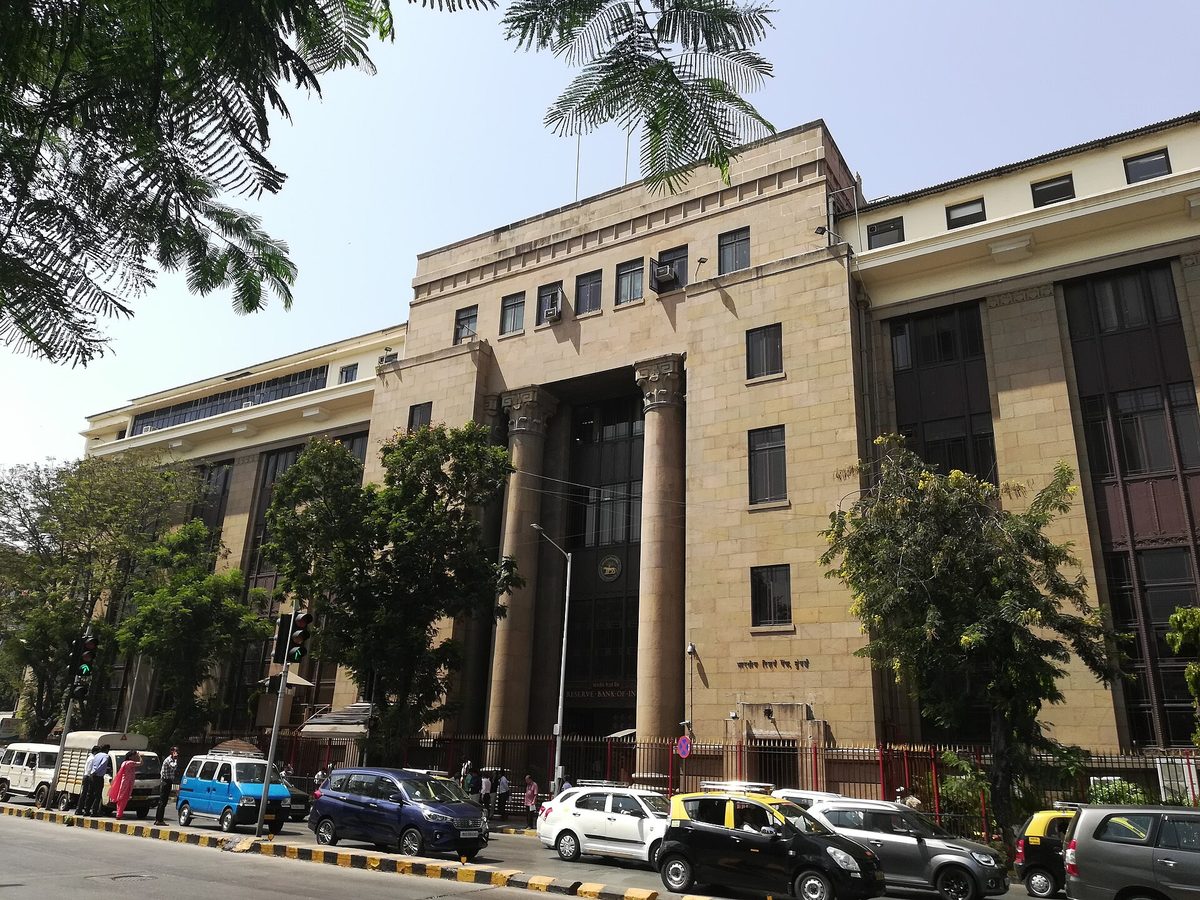
RBI
RBI made record dollar purchases in August: net $43.26 billion bought, bulletin reveals
October 24, 2026: Per the RBI's October bulletin, the central bank bought $74.47 billion and sold $31.21 billion in August 2026 — net purchases of a r
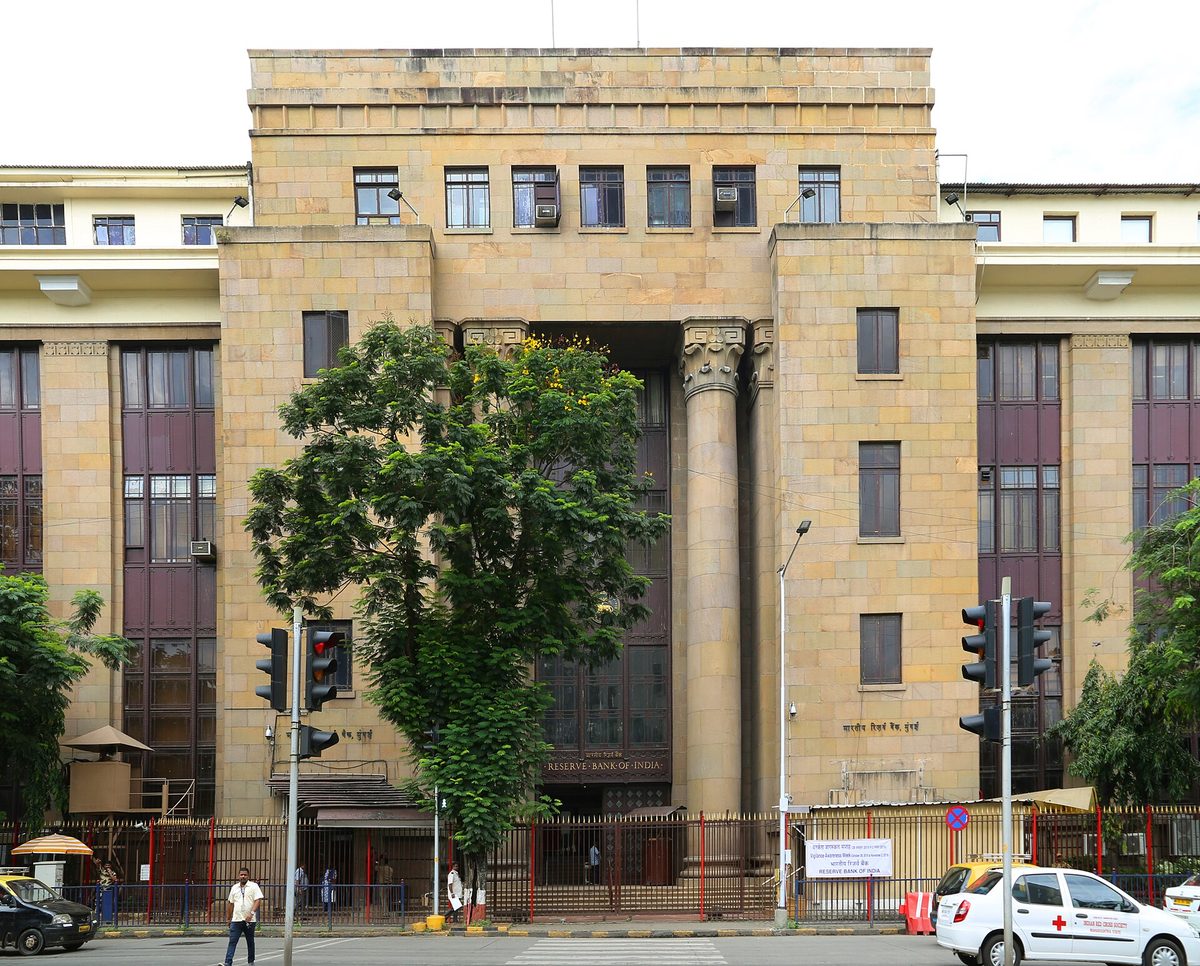
In its latest "India Viewpoint" report, BofA Securities said the RBI could raise the repo rate from 5.25% to 5.50% at the October 7 meeting, followed by a further 75 bps of hikes — taking the terminal rate to 6.25%. The brokerage had earlier forecast a total increase of just 50 bps and has now doubled it. "Our bigger forecast shift is arguably the quantum of hikes, as we are raising our total quantum of hikes from 50bp earlier, to 100bp now," the report said.
The biggest driver is rising inflation. Retail inflation (CPI) reached 4.82% in August — the third straight month above the RBI's 4% target. Rising fuel and food costs have broadened the pressure: prices for nearly half of the items in India's inflation basket are now rising at 4% or more year-on-year, compared to roughly one-third in March. BofA noted that tradables inflation rose to 5.9% in August.
The second factor is crude oil — Brent crude spent most of September between $100 and $110 a barrel. India imports most of its crude, so oil prices directly affect inflation and the rupee. The rupee has weakened about 6% this year.
The third factor is strong economic growth — GDP grew nearly 8% in the April-June quarter, and non-food credit growth stood at 17.8% year-on-year in September. BofA said the RBI has less reason to wait amid resilient growth. If GDP growth stays around 7% and headline inflation stays close to 5.5%, hikes could exceed 100 bps — pushing front-end rates above 6.5%. Conversely, if growth falls below 7% and moves toward 6%, there could be fewer hikes or none at all.
In a Reuters poll conducted between September 18 and 28, 35 of 61 economists (nearly 60%) said the MPC could raise the repo rate by 25 bps to 5.50% at the end of its October 5-7 meeting. Minutes from the August meeting showed several policymakers, including Governor Sanjay Malhotra, favoured a hike if inflationary pressures broadened.
"RBI has to be in a realisation that we are possibly slightly behind the curve and because the Fed has increased, we need to increase rates," said Indranil Pan, chief economist at Yes Bank. "We expect the RBI to start the hiking process in October. Inflation is tracking higher than the RBI's forecast (by) about 20 basis points for the current quarter, and the rise is fairly broad-based," said Abhishek Upadhyay, co-head of economics and fixed income research at ICICI Securities Primary Dealership.
In the same poll, 29 of 53 economists expected at least one more 25 bps hike by December — a reversal from last month's survey, when median projections showed rates on hold until March next year. Poll medians also showed rates remaining at 5.75% until at least mid-2028, suggesting this could be one of the shallowest RBI hiking cycles in at least a decade.
If rates rise on October 7, home, auto and personal loan interest rates could increase as banks' borrowing costs go up. BofA also expects the RBI to switch its policy stance in December to one of "calibrated tightening" — moving away from loose policy toward gradual restraint. In addition, the US Federal Reserve could hike at least once more after raising rates earlier this month, keeping global pressure on.
October 24, 2026: Per the RBI's October bulletin, the central bank bought $74.47 billion and sold $31.21 billion in August 2026 — net purchases of a r
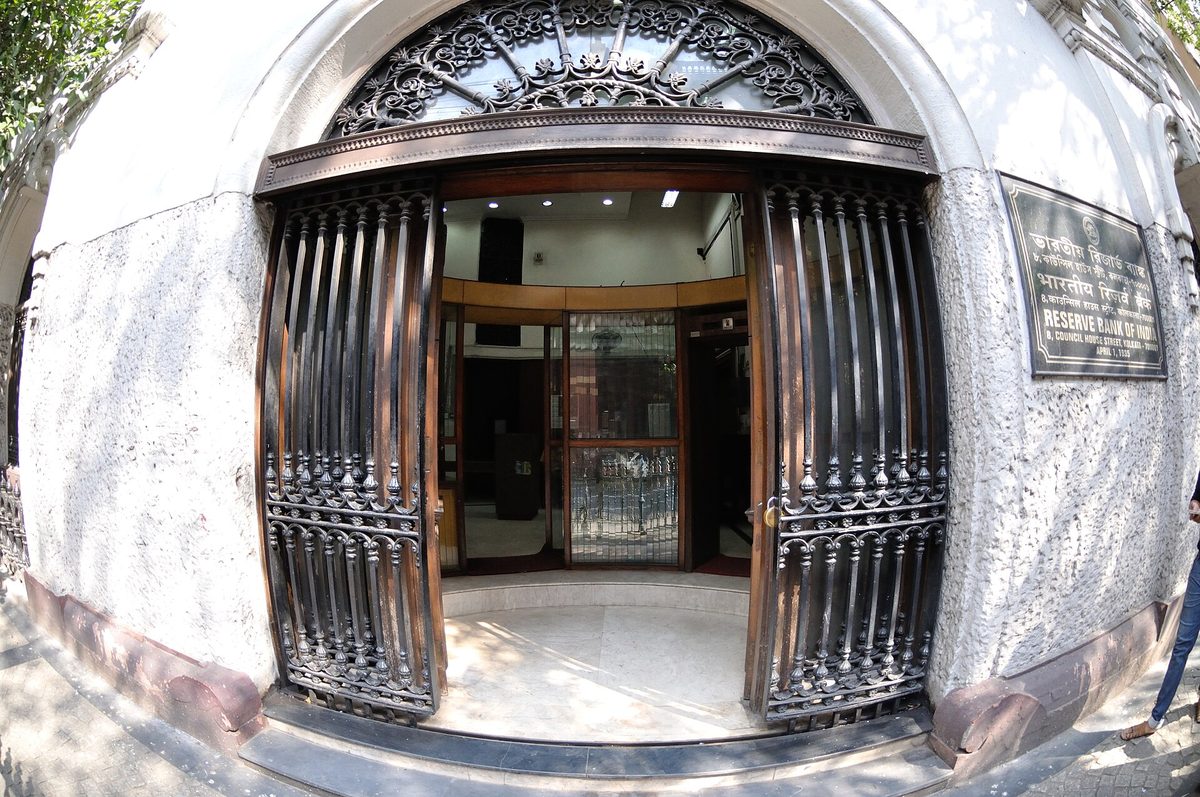
October 24, 2026: Per RBI's weekly data, India's foreign exchange reserves fell $5.011 billion to $721.016 billion in the week ended October 16, 2026.

RBI's October MPC minutes, released on October 21, 2026, reveal that the October 7 hike of 25 basis points was unanimous, but members are split on the